The furnace is in the fifteen to twenty year range
Age by itself settles nothing. It is the point where parts availability and repair frequency are worth looking at together.
 GVK Heating & Air Inc
(619) 277-6279
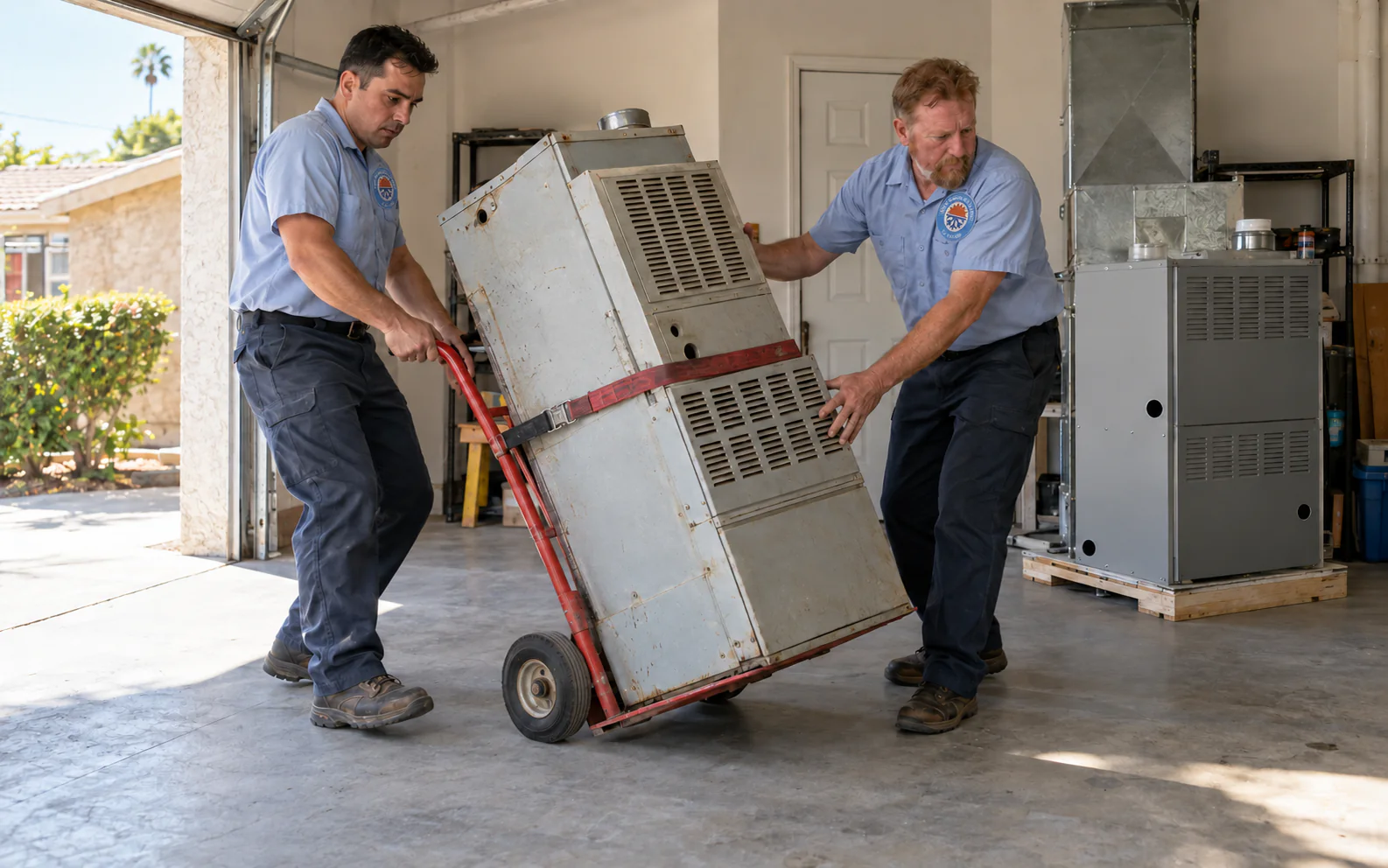
We assess the system you have, tell you whether a repair still makes sense, and put the replacement options in writing with the price. If the furnace has just stopped and you need to know why, start with Furnace and Heating Repair.
Six things worth having checked. None of them decides on its own.
Age by itself settles nothing. It is the point where parts availability and repair frequency are worth looking at together.
One repair is a repair. Three across two winters is a pattern, and it is worth pricing against a replacement.
A heat exchanger, a gas valve, or a blower motor. Price that repair, then look at what the rest of the furnace has left in it.
Whether your model is still supported decides how long repairing it stays an option.
Worth checking whether it was oversized when it went in. Replacement is the point where that gets corrected.
We are on your side on this one. Most heating faults we go out to are worth repairing, and when that is the case we repair it and say so. Here is how we compare the two paths on the same criteria.
| What we look at | Repair usually wins | Replacement usually wins |
|---|---|---|
| Cost and scope of the repair | A single component, priced well below a new system | A heat exchanger or a combination of large parts |
| Condition of the whole system | The rest of the furnace is sound | Several components are at the end of their service life |
| Parts availability | Parts are current and stocked | Parts are discontinued or slow to source |
| Repair history | First real fault | Repairs in consecutive winters |
| Safety | Combustion tests clean | The heat exchanger has cracked |
One local point that changes the arithmetic here: light use is not gentle use. A furnace in Poway sits idle for ten months and then fails from sitting, so the parts that go are igniters, flame sensors, and switches. Those repairs are small. Replacing early rarely pays for itself in fuel savings, because you are not burning much fuel. That cuts both ways, and we will tell you which way yours cuts.
If a repair is the better call, that starts on our Furnace and Heating Repair page.
San Diego does not need the furnace a contractor would install in Denver. Oversizing is the default mistake here, and you pay for it in short cycling, in noise, and in a system that wears itself out heating a house that was already warm. We calculate the load for the house as it stands today. The capacity printed on the furnace coming out is a record of an earlier guess, not a measurement.
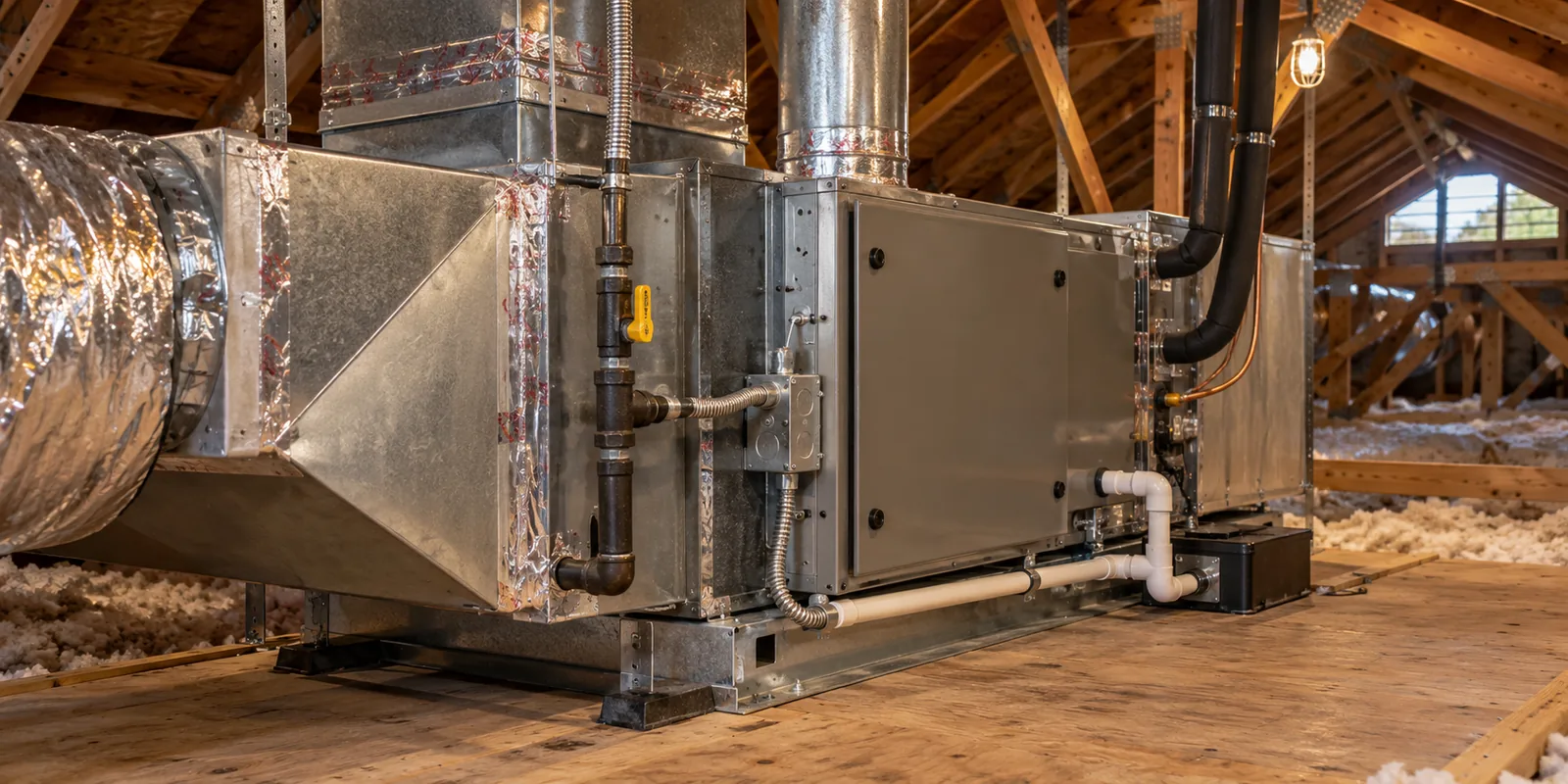
What we look at: the layout and the rooms being heated, the insulation and the windows, the existing ducts and the airflow they can carry, the venting, the gas supply, and the electrical.
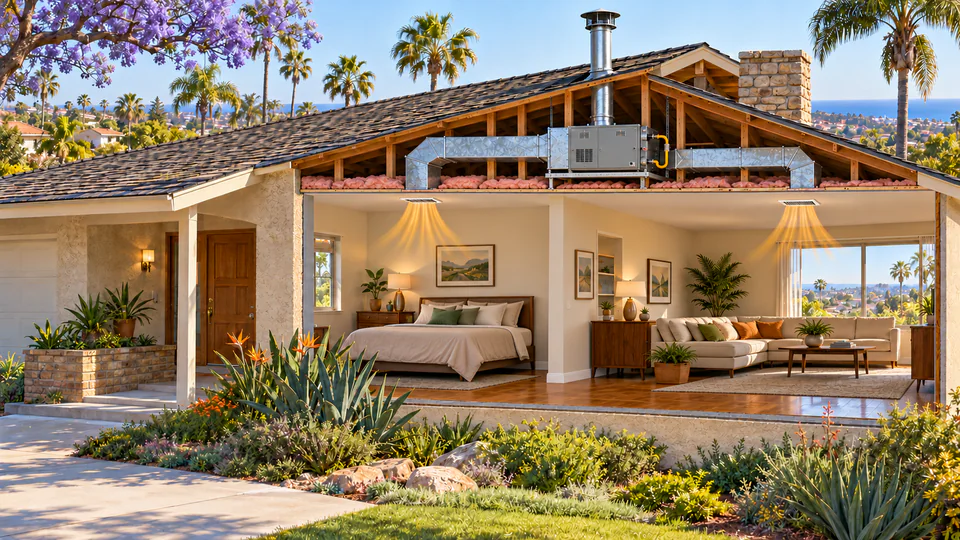
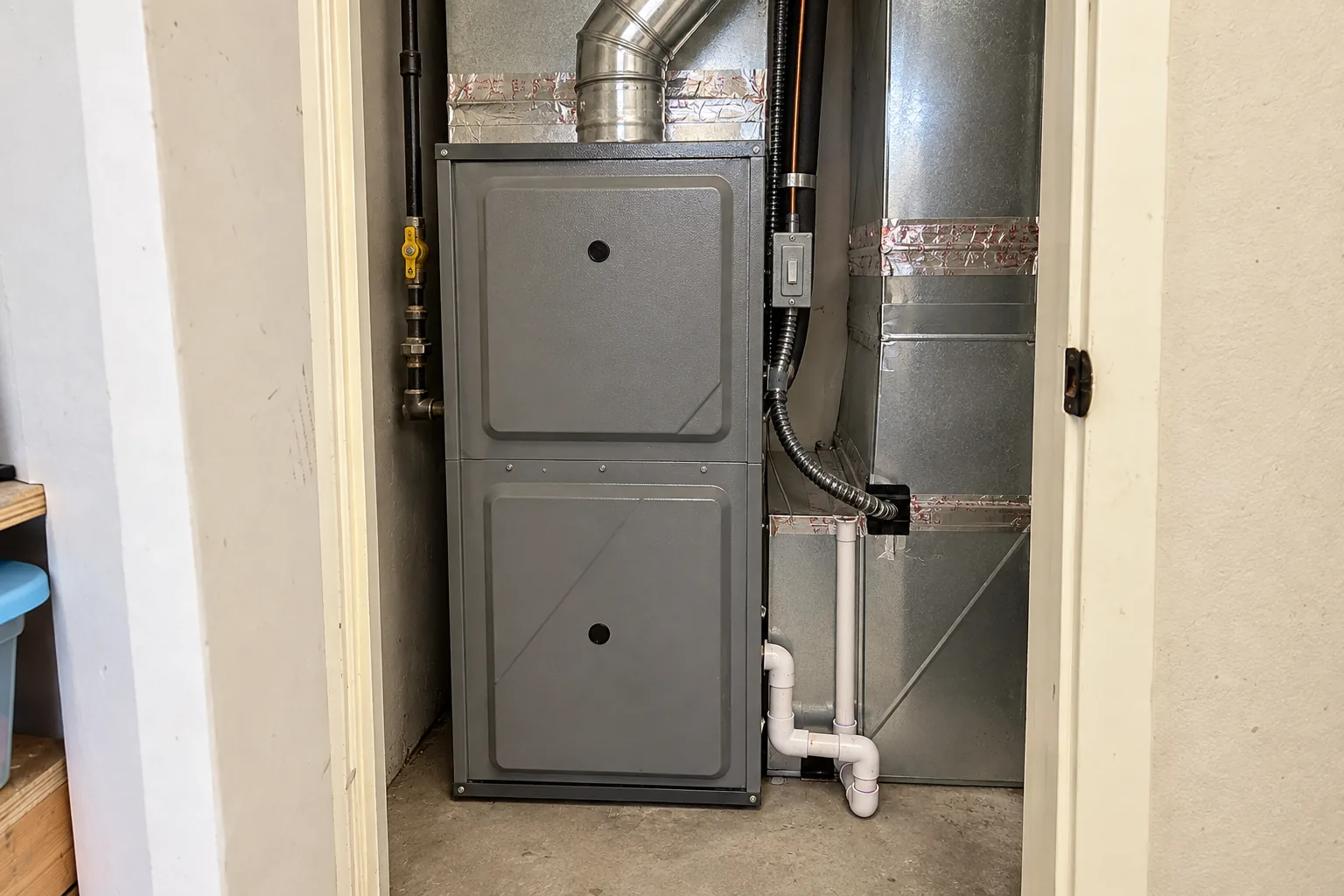
The direct replacement for most homes here. It uses the existing venting and the existing gas line, which keeps the scope of the project contained.
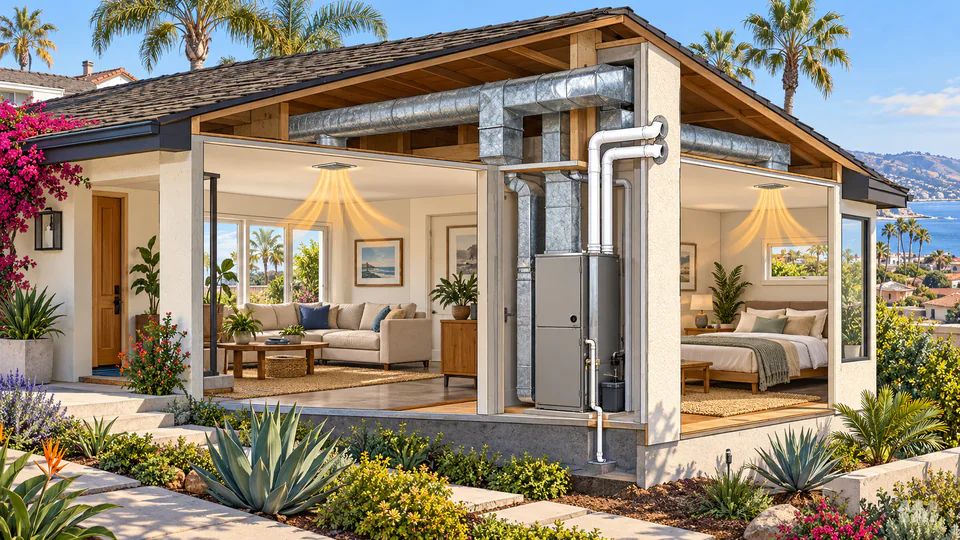
It costs more up front and needs new venting, because it produces condensate and cooler exhaust. In a heating season this short the payback often does not work, and we say so.

One system for heating and cooling, with no combustion and no gas. This is the only one of the three where rebates are real, and it is worth pricing if you are replacing the air conditioner in the same period. More on our Heat Pump Replacement page.
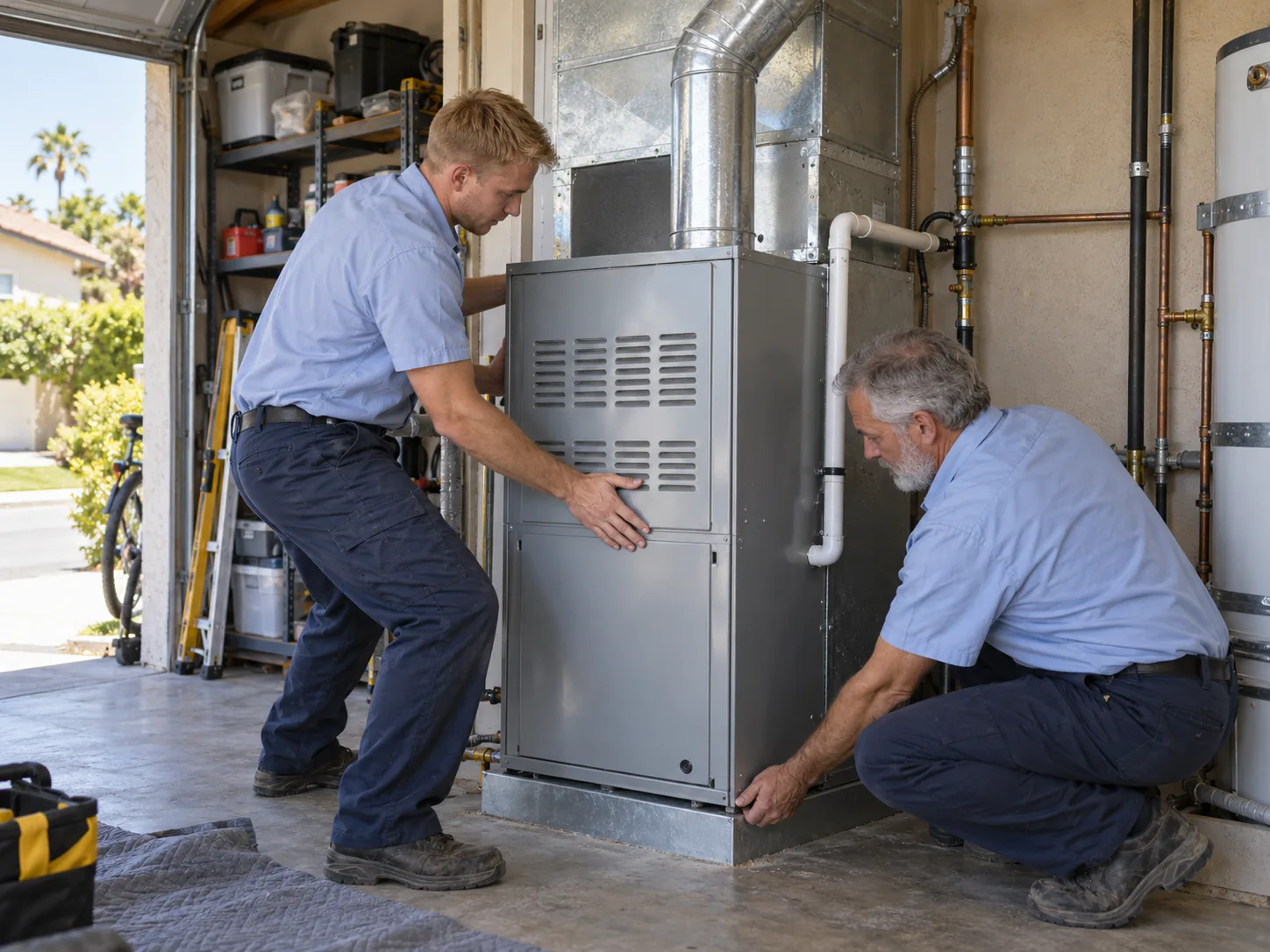
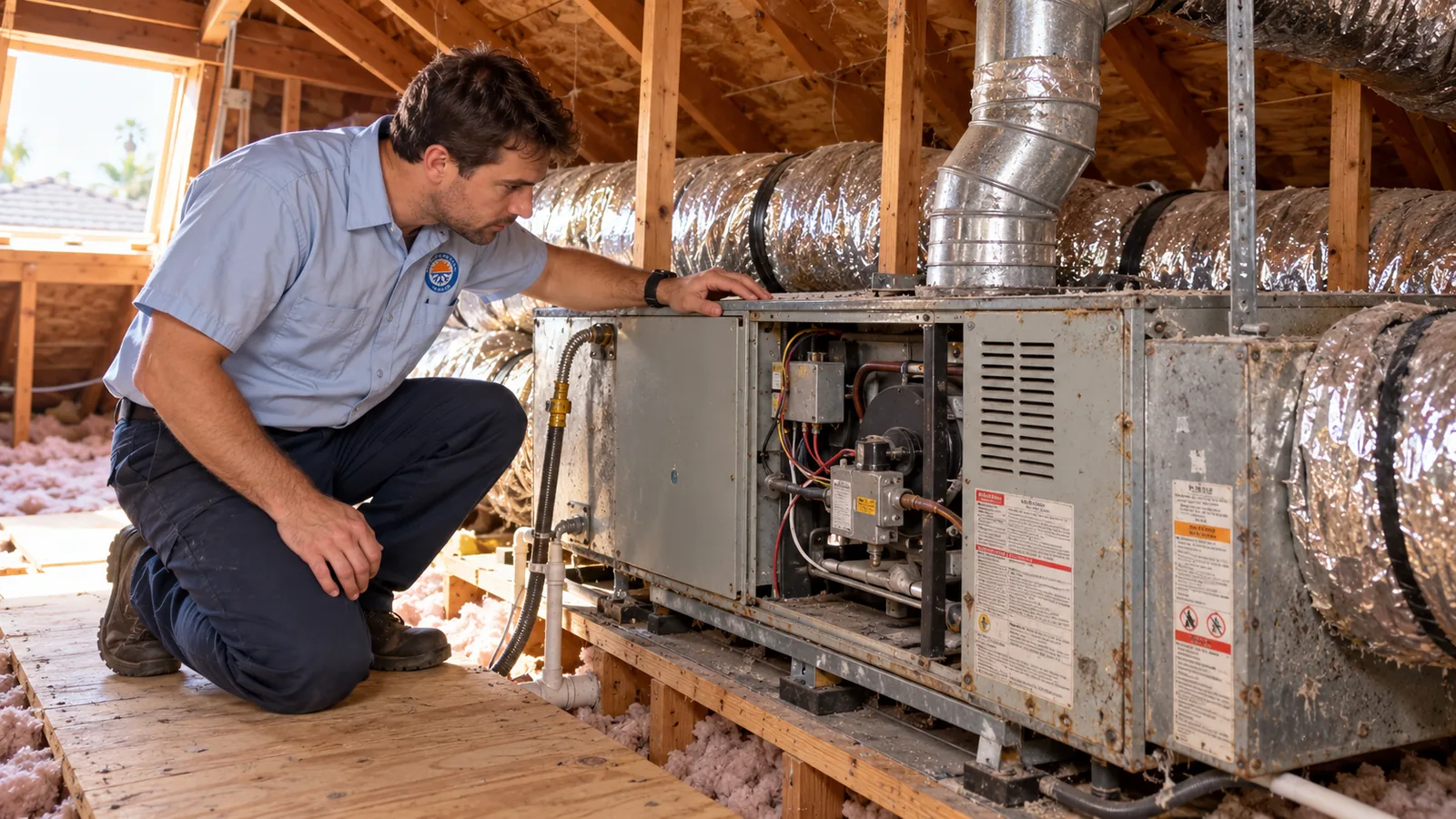
We look at the furnace, the venting, the ducts, the gas supply, and the electrical, and we test combustion on the existing system before we talk about replacing it.
Where both paths are reasonable, you get both, priced, with the difference explained.
The equipment, the removal of the old furnace, the connections and modifications included, the price, the schedule, and anything priced as an option. Nothing starts until you approve it.
We take the old furnace out and haul it away, install the new one to the agreed scope, and make the gas, venting, electrical, and duct connections. Permits and testing are scheduled with the work.
We start the system, test combustion and the full heating sequence, clean up, show you the controls, and hand over the documents.
We price replacements after seeing the house, so the number on your proposal is the price of your project.
What affects the price
One thing worth knowing before you compare quotes: there are almost no rebates on gas furnaces. If rebates matter to your budget, the category where they are real is heat pumps.
Once we have seen the property, we put together a written proposal
Total price
Every line goes in writing, with options priced separately.
Request a Replacement Estimate
We assess the existing furnace before we quote a new one, and we test combustion either way.
Oversizing is the standard mistake in San Diego. We calculate the load for the house you have.
Where a condensing furnace will not earn back what it costs in a heating season this short, we say so.
Equipment, removal, connections, price, schedule, and anything optional priced on its own.
A furnace changeout in California needs a permit and, in most cases, HERS verification. 600+ permitted projects under our license are on public record.

“My impression of George is that he's a very honest person who takes a lot of pride in providing a high quality service.”
Read on Yelp
“It was very clear that it was important to him that his service is high quality.”
Read on Google“We live in South Orange County and GVK Heating and Air were recommended to us — specifically Denys at GVK.”
Read on Yelp“They performed the first AC installation on my 30-year-old home.”
Read on Google“He wants to meet your needs at a good price and he is a pleasure to work with.”
Read on GoogleWe are based in Poway and work across all of San Diego County: repairs, replacements, maintenance, and tune-ups.
When the fault is one component, the rest of the furnace is sound, parts are available, and combustion tests clean. That describes most of the heating calls we go out on. We bring both prices to the same visit so you can see the difference for yourself.
Usually yes, and often that is the right scope. The two systems share the blower, the ducts, and the thermostat, so we check that the new furnace matches the airflow your existing coil needs. Where they cannot be matched, we explain why before quoting.
We calculate the heating load for your house: the square footage, the insulation, the windows, the duct capacity, and the climate you actually live in. We do not copy the capacity off the old unit, because oversizing is the most common mistake in this county.
A straight changeout in an accessible location is usually a one day job. New venting for a condensing furnace, duct changes, or electrical work extend it. Your proposal gives you the schedule before anything starts.
We remove it and haul it away, and that is in the written scope and in the price. If any related components stay in place, the proposal says which ones and why.
A permit applies to the changeout itself. HERS verification applies to the parts an inspector cannot see finished, such as duct leakage, and it is done by an independent rater, not by us. We tell you which of the two your project needs, who files them, and when they are scheduled against the install date.
It is worth pricing, particularly if the air conditioner is also near the end of its life, because one system then covers both jobs. Heat pumps are also the only category here where rebates are genuinely available. Whether it suits your house depends on the ducts and on your electrical panel capacity, and we check both before recommending it.
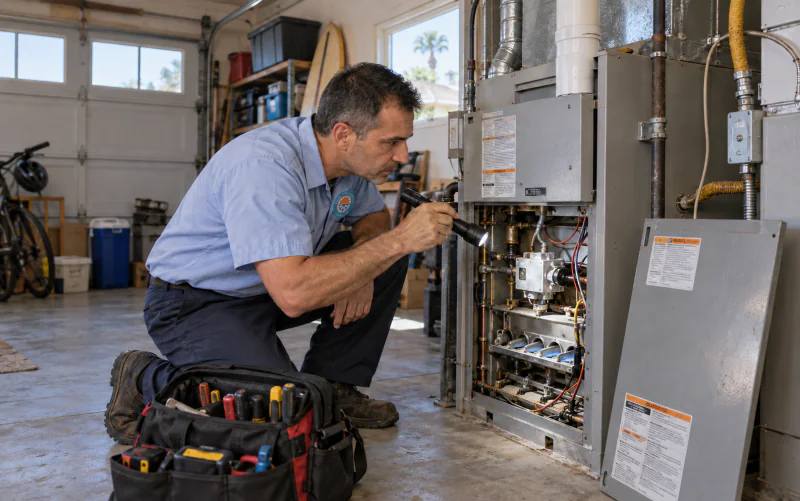
When the furnace has stopped or is running badly and you need the cause before making any decision.
Explore Furnace and Heating Repair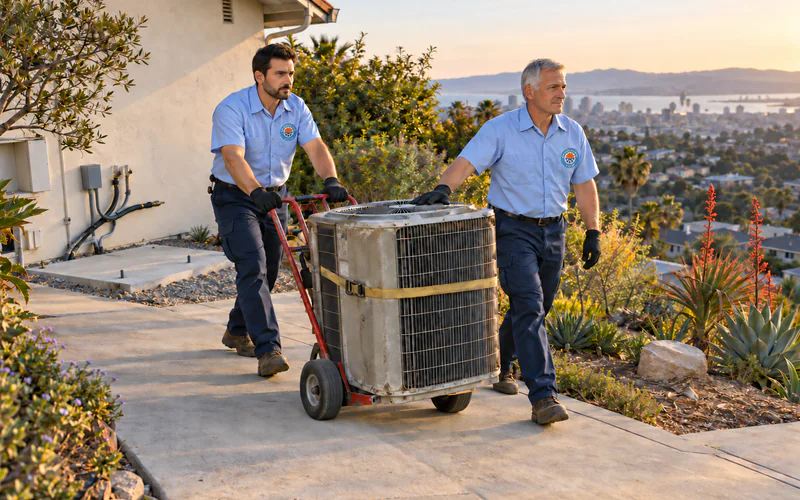
One system for heating and cooling, and the category where rebates are real.
Explore Heat Pump Replacement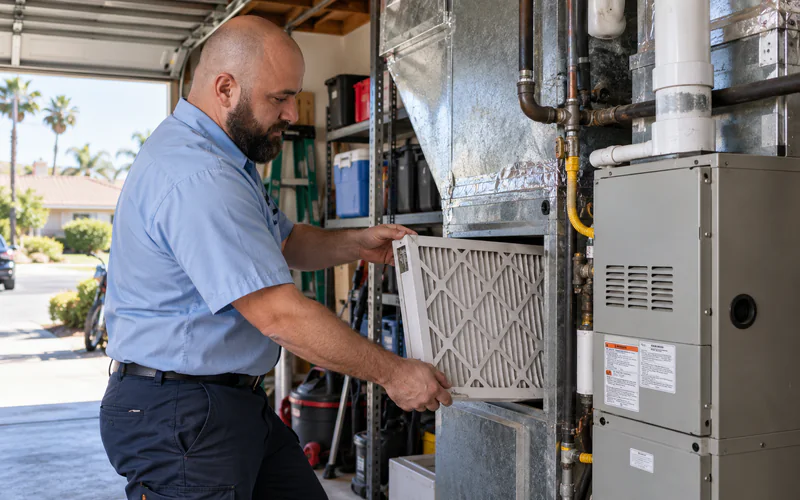
A tune-up before the season on the system you have now.
Explore Furnace and Heating Maintenance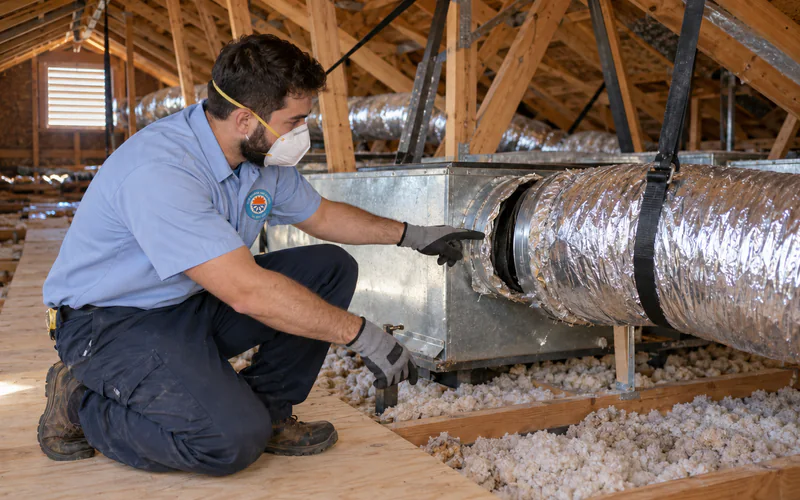
When rooms heat unevenly and the furnace itself is not the problem.
Explore Duct RepairTell us what the furnace is doing and how long you have had it. We will assess it, tell you whether a repair still makes sense, and give you a written proposal with the equipment, the scope, and the price.