The house and the layout
Rooms, ceiling heights, orientation, and how the space is actually used.
 GVK Heating & Air Inc
(619) 277-6279
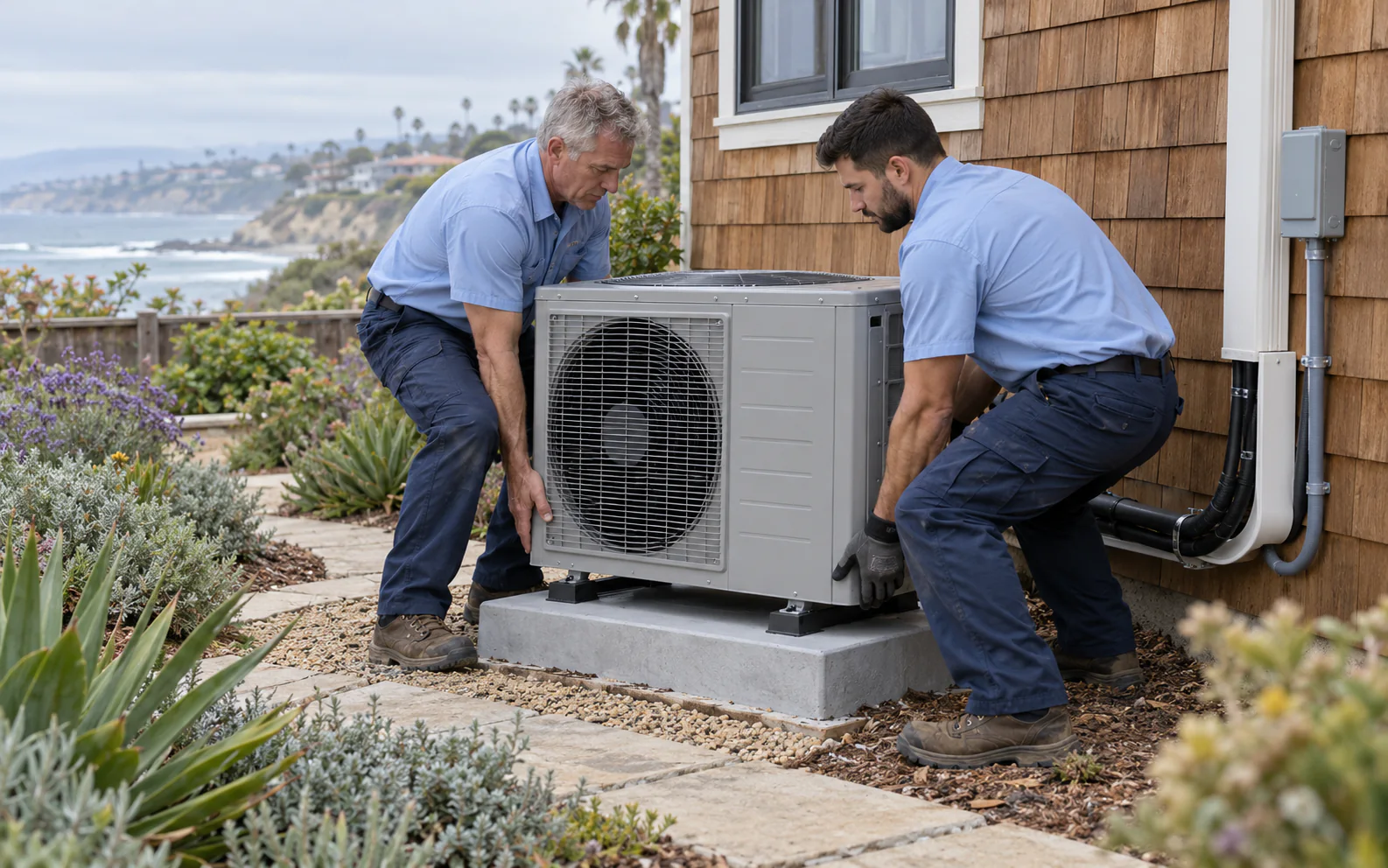
One system that heats and cools, with no gas and no combustion. We check what your house and your electrical panel can take, size the system for the load, and put the options in writing with the price. If you already have a heat pump and want to replace it, start with Heat Pump Replacement.
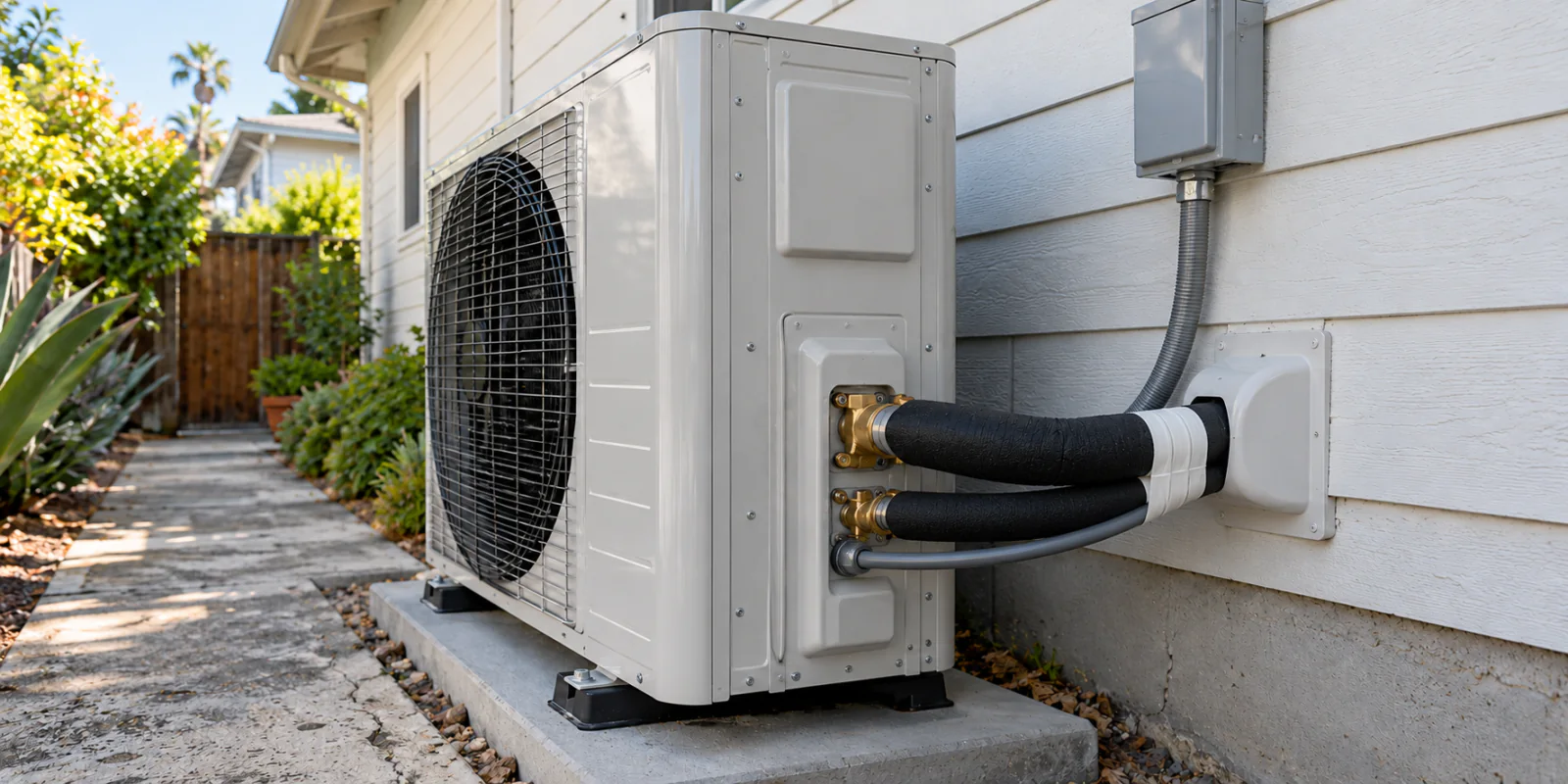
A heat pump is an air conditioner that can also run backwards. In summer it moves heat out of the house. In winter it moves heat in. One outdoor unit, both seasons, no gas line and nothing burning.
That last part has a practical consequence people rarely hear: with no combustion there is no flue, no gas valve, and no carbon monoxide to test for. The annual safety conversation that comes with a furnace does not apply.
Heat pumps lose efficiency when it gets genuinely cold. San Diego almost never gets genuinely cold, which is the condition a heat pump wants. The objection you will read online, that heat pumps cannot cope with winter, was written for a different part of the map.
There is a second reason that has nothing to do with weather. If the air conditioner is already near the end of its life, a heat pump is the same outdoor unit doing twice the work. You are replacing one machine and getting two jobs done.
We calculate the load for the house and check what the property can support before recommending equipment. Four things decide the answer:
Rooms, ceiling heights, orientation, and how the space is actually used.
These change the load more than square footage does.
Whether ducts exist, what they can carry, and whether a ductless configuration fits the property better.
This is the one that catches people out, and we check it first. See below.
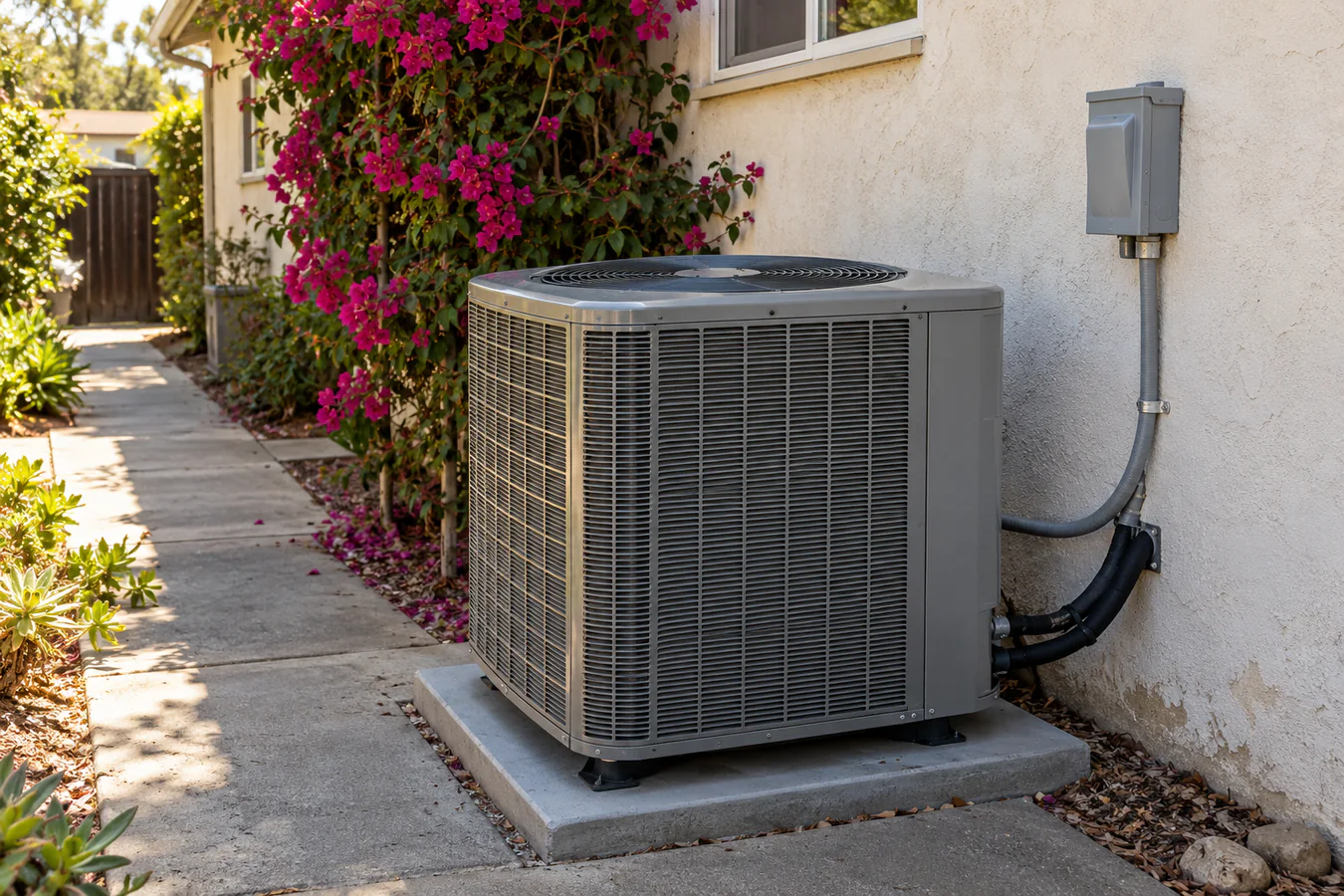
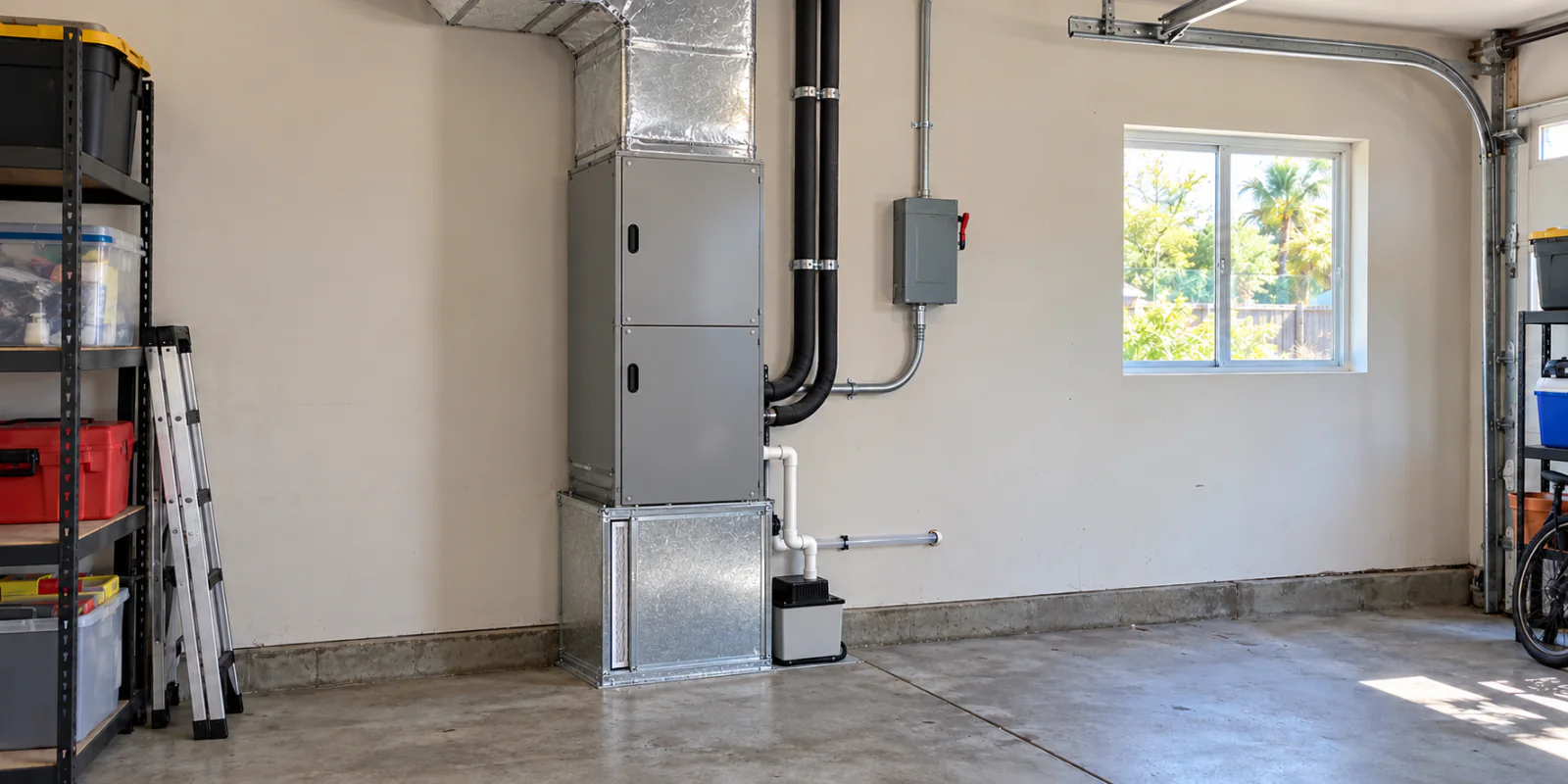
Whether your electrical panel has the capacity. Moving from gas heat to a heat pump adds electrical load, and on older Poway and Escondido houses the panel constrains the project more often than the equipment does. A panel upgrade is a genuine cost and a genuine scheduling factor.
We check the panel during the assessment and tell you what it means for the project before you sign anything. Finding it on installation day is how projects stall.
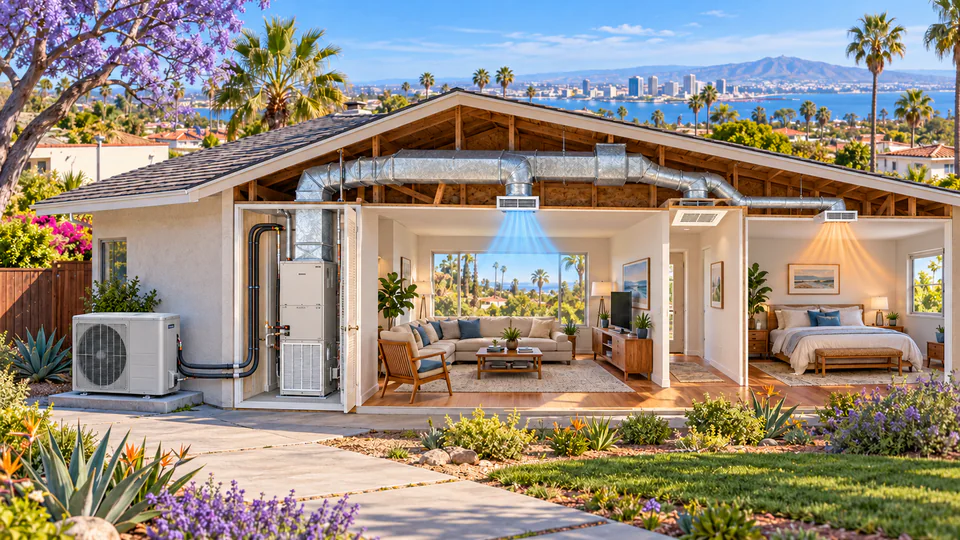
An outdoor unit and an indoor air handler, distributing through ductwork. The direct option for houses that already have ducts, including houses converting from a gas furnace and air conditioner to one system.

An outdoor unit and one or more indoor heads, with no ductwork. Suits additions, ADUs, converted garages, and houses where the ducts were never installed or are beyond saving. Each head has its own control. More on our Mini Split Installation page.

Everything in one cabinet, usually on the roof. Common on flat roofed properties and some condo and multi unit buildings where there is no indoor space for an air handler.
Call or send the form with the property, what you are heating and cooling now, and your address. Tell us whether you currently have gas heat, because a conversion is a different project from a like for like installation.
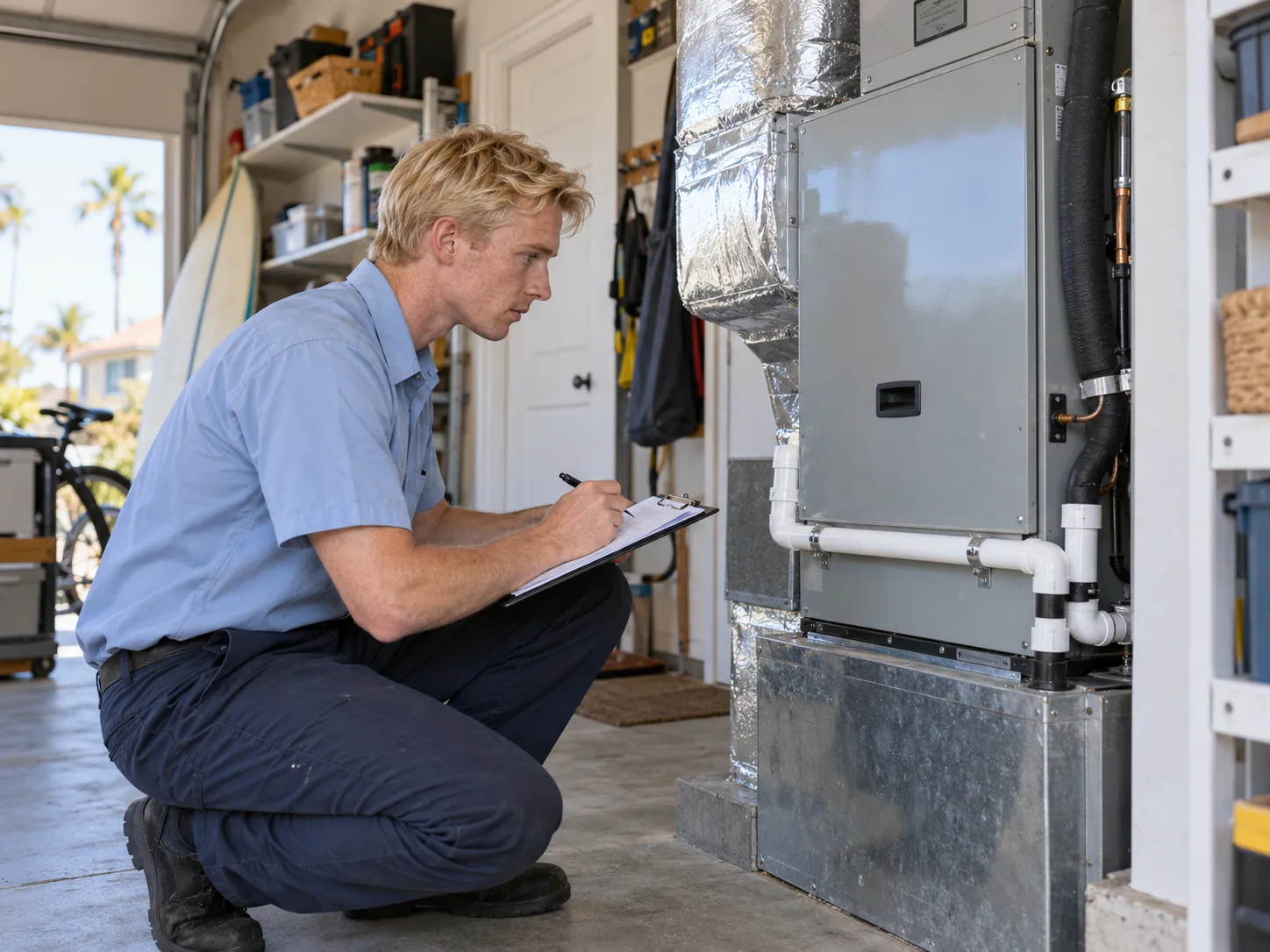
We measure, calculate the load, check the ducts, and check the electrical panel and the circuit at the equipment location.
You get the configurations that fit, with the differences explained, and a written scope: equipment, included work, any electrical work required, the price, the schedule, and anything priced separately.
We confirm the date, handle the applicable permits and testing, and install to the agreed scope. If the panel needs work, that is in the proposal, priced, before the date is set.
We charge and start the system, test it in both heating and cooling, clean up, go through the controls and the backup heat settings with you, and hand over the documents.
We quote after seeing the property, so the number on your proposal is the price of your project.
What affects the price
On your electricity bill, we are not going to promise you a percentage. Anyone who does is guessing, because the answer depends on your tariff, your usage pattern, and your house. What we will do is take your last twelve months of SDG&E statements and model it with you on the actual rates you pay.
Once we have seen the property, we put together a written proposal
Total price
Every line goes in writing, with options priced separately.
Request an Estimate
The most common late surprise on a gas to electric conversion. We would rather find it at the assessment, while it is still a line on a proposal.
We model it on your own twelve months of SDG&E statements instead. If the numbers do not work for your house, you will hear that from us.
We calculate for the house as it stands today. What is being removed tells us nothing about what the house needs.
It is the part everyone hates, and it is the reason people leave money on the table. What is actually live changes through the year, so we tell you what applies in the month you buy.
Heat pump installations in California need a permit, and most of this work also requires HERS verification. 600+ permitted projects under our license are on public record.

“My impression of George is that he's a very honest person who takes a lot of pride in providing a high quality service.”
Read on Yelp
“It was very clear that it was important to him that his service is high quality.”
Read on Google“We live in South Orange County and GVK Heating and Air were recommended to us — specifically Denys at GVK.”
Read on Yelp“They performed the first AC installation on my 30-year-old home.”
Read on Google“He wants to meet your needs at a good price and he is a pleasure to work with.”
Read on GoogleWe are based in Poway and work across all of San Diego County: repairs, replacements, maintenance, and tune-ups.
Yes. Heat pumps run less efficiently as outdoor temperatures drop, and modern systems include backup electric heat for the coldest hours. We tell you the temperature at which yours brings the backup in, so that number is on the proposal before you buy.
We will not give you a percentage, because the honest answer depends on your tariff and your usage. We take your last twelve months of SDG&E statements and model it on the rates you actually pay. If it does not work out for your house, we will say so.
That is the question we check first, and the one that decides more projects than the equipment does. Converting from gas heat adds electrical load, and older panels here are often the real constraint. If a panel upgrade is needed, it is in the proposal with a price before you sign.
That is the most common reason people here choose one. A single outdoor unit covers both jobs, and where the ductwork is sound the indoor side often stays. We confirm the duct capacity during the assessment.
It depends on the project. Some conversions remove it entirely, and some keep it as backup heat in a dual fuel configuration. Both are legitimate, they cost different amounts, and the proposal says which one you are buying.
This is the one category where rebates genuinely change the price. Programs and amounts change through the year and some close when their funding runs out, so we tell you what is live in the month you buy. We handle the paperwork.
A permit applies to the installation itself. HERS verification applies to the parts an inspector cannot see finished, such as duct leakage and refrigerant charge, and it is done by an independent rater, not by us. We tell you which of the two your project needs, who files them, and when they are scheduled against the install date.

When a heat pump is already installed and the question is replacing it.
Explore Heat Pump Replacement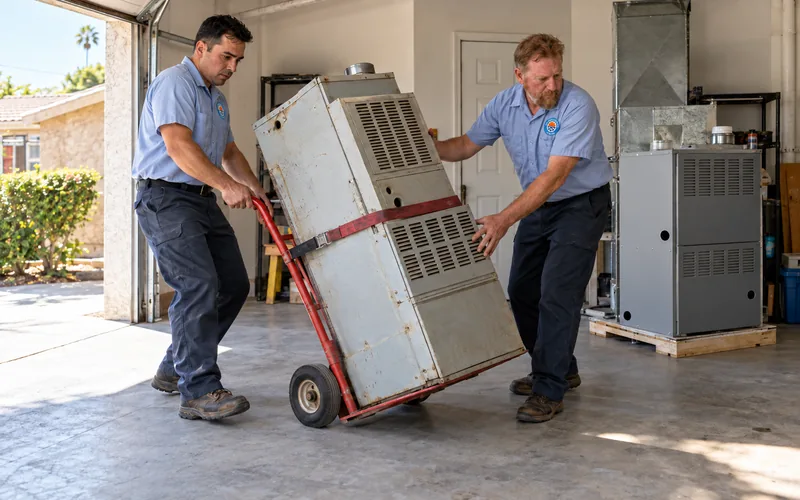
If you are comparing a heat pump against a like for like furnace replacement.
Explore Furnace and Heating Replacement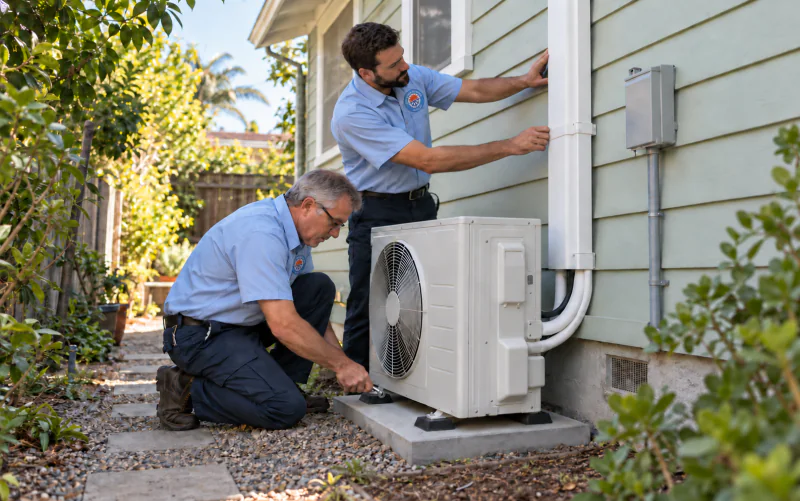
For additions, ADUs, and properties where ductwork is impractical.
Explore Mini Split Installation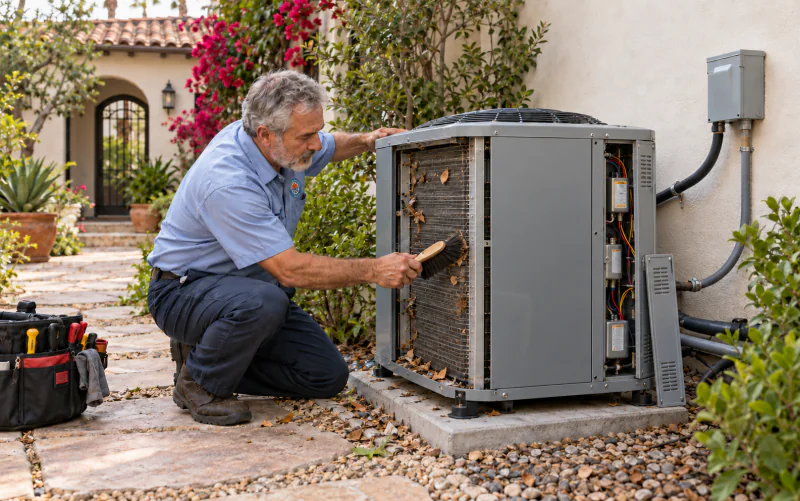
A system running in both seasons needs a different service schedule from one that runs in one.
Explore Heat Pump MaintenanceTell us what heats and cools the house now, and whether you are on gas. We will calculate the load, check your panel, and give you a written proposal with the equipment, the scope, and the price.