It performs in one mode and not the other
Cooling fine and heating poorly, or the reverse. The reversing valve and the charge are the first two things to check, because these are different faults from a system that underperforms in both modes.
 GVK Heating & Air Inc
(619) 277-6279
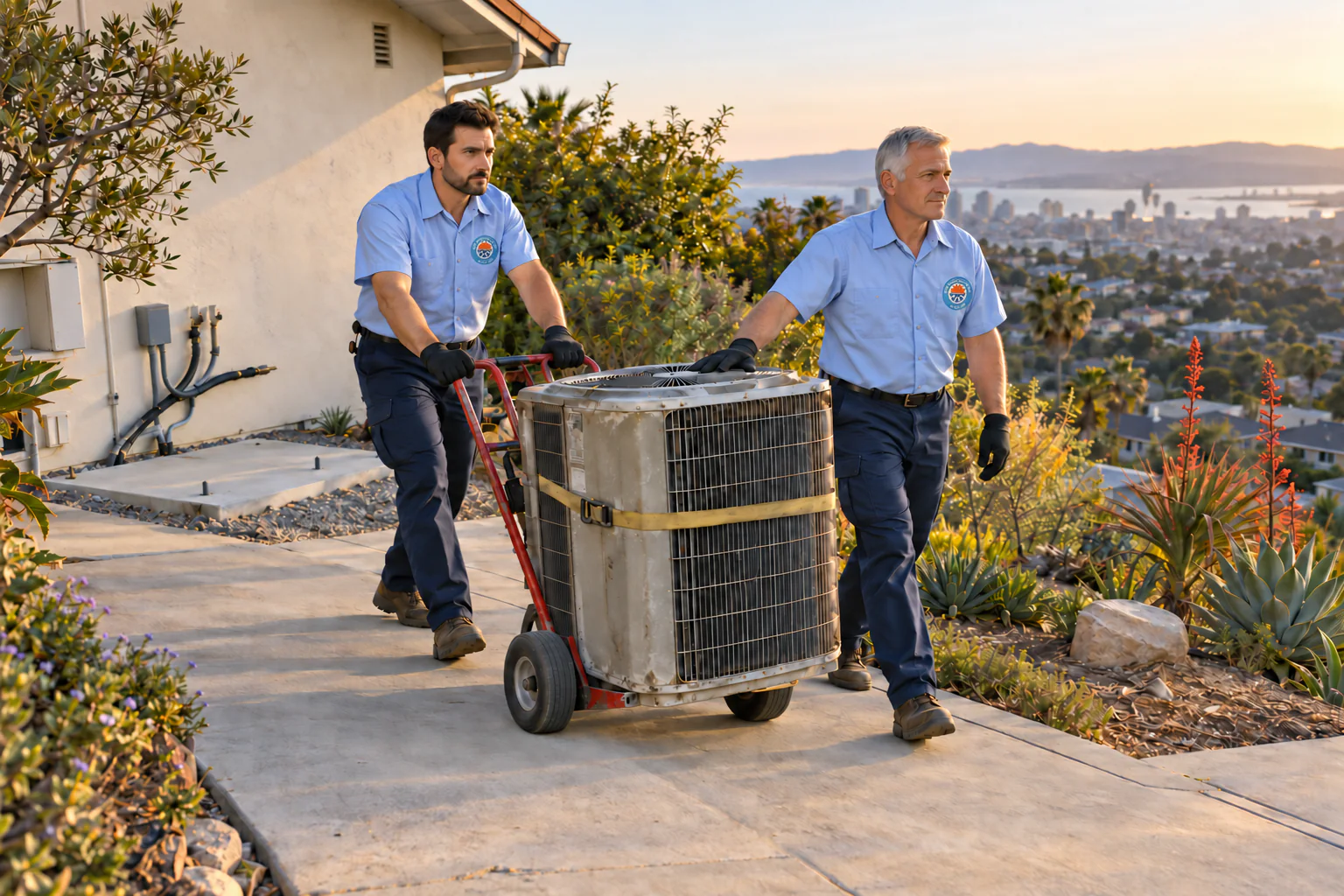
We assess the heat pump you have, tell you whether a repair still makes sense, and put the replacement options in writing with the price. If the system has just stopped and you need to know why, start with Heat Pump Repair.
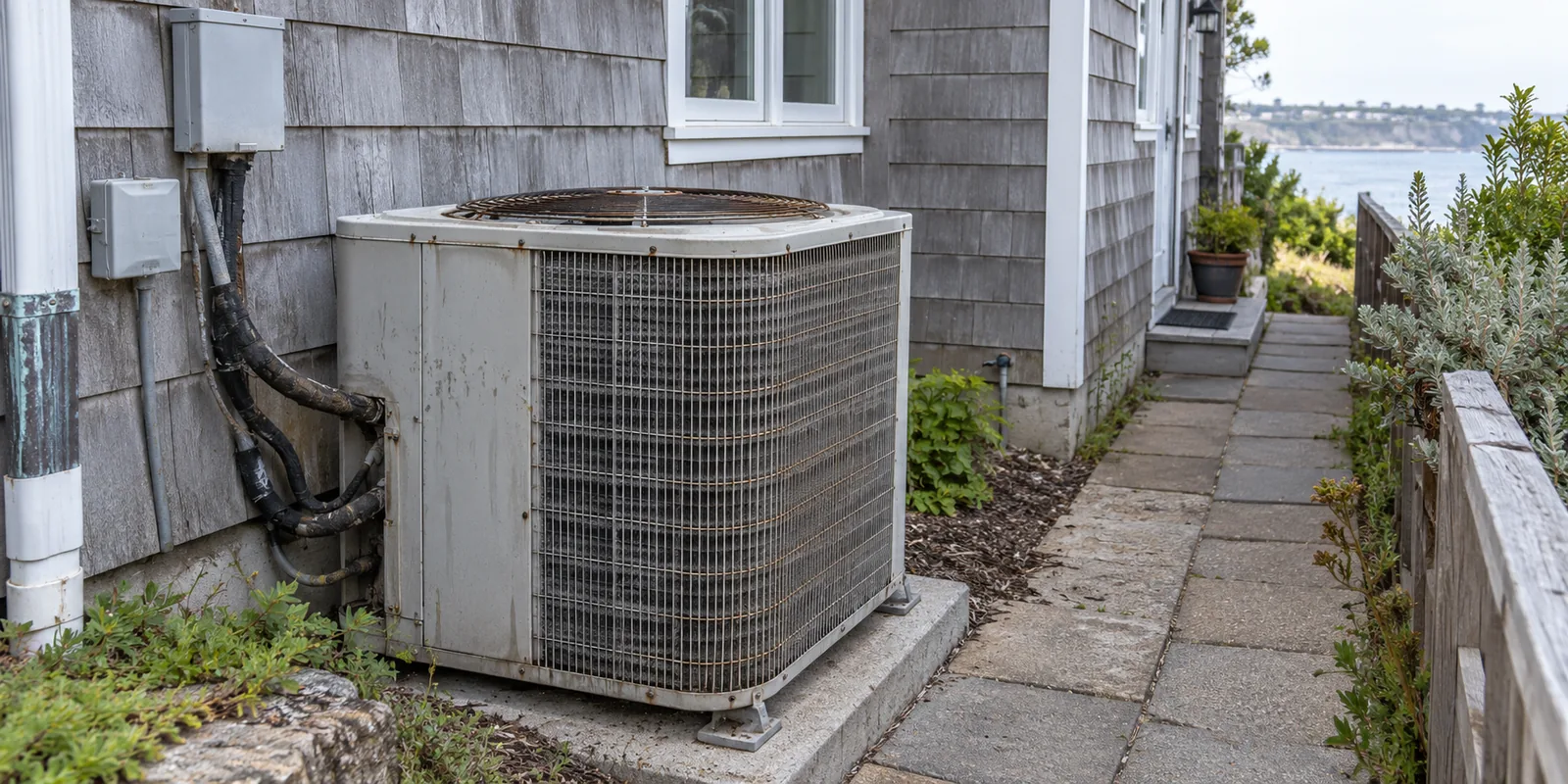
Six things worth having checked. A heat pump runs in both seasons, so it accumulates roughly twice the operating hours of a cooling only system, and the signs show up differently.
Cooling fine and heating poorly, or the reverse. The reversing valve and the charge are the first two things to check, because these are different faults from a system that underperforms in both modes.
Backup heat is expensive to run, and a system leaning on it is a system not doing its main job.
Ice that stays on the outdoor coil, or a system that defrosts constantly. Both are worth catching before the compressor takes the strain.
One repair is a repair. Three across two years on a system in its teens is a pattern worth pricing against replacement.
Refrigerants are being phased down on a schedule, which affects what servicing costs over the remaining life of the system. Worth knowing which one yours uses.
We are on your side on this one. Plenty of heat pump faults are worth repairing, and when that is the case we repair it and say so. Here is how we compare the two paths on the same criteria.
| What we look at | Repair usually wins | Replacement usually wins |
|---|---|---|
| Cost and scope of the repair | A single component: a capacitor, a sensor, a board | A compressor or a reversing valve on an older system |
| Condition of the whole system | The rest of the system is sound in both modes | Performance has dropped in both heating and cooling |
| Refrigerant and parts | Current refrigerant, parts stocked | Phased down refrigerant, or parts slow to source |
| Operating hours | Under about ten years of year round use | In its teens, with both seasons behind it |
| What you want to change | Restore what you had | Better performance in one mode, zoning, or quieter operation |
If a repair is the better call, that starts on our Heat Pump Repair page.
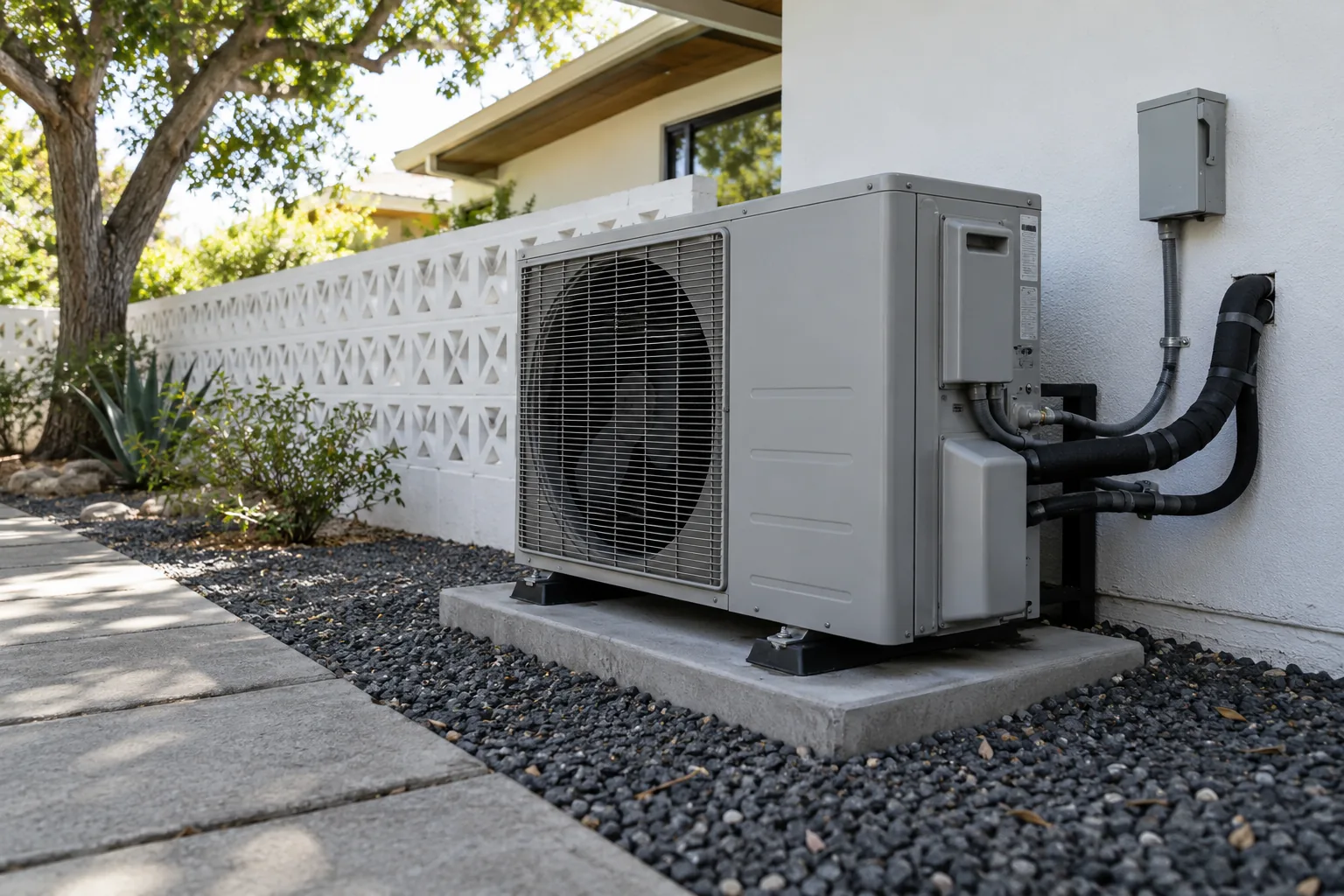
A replacement is a new sizing exercise, not a copy of the label on what is being removed. We calculate the load for the house as it stands today: the rooms, the insulation, the windows, the duct capacity, the electrical, and where the outdoor unit sits.
One thing specific to heat pumps. Sizing for a heat pump has to work in both directions, because the same equipment carries the cooling load in August and the heating load in January. A system sized only for one of those jobs does the other one badly, and that is a common reason people end up disappointed with a heat pump.

The direct replacement. Where the ducts and the indoor equipment are sound, the scope often stays contained to the outdoor unit and the coil. We verify that the pair is compatible before quoting it.

If rooms have never performed evenly, replacement is the practical moment to address the distribution. Ducts are the limiting factor on more systems than equipment is. See Duct Repair.

Where part of the house has never been served properly, adding a ductless zone can be a better answer than oversizing the central system to force air somewhere it does not want to go. See Mini Split Installation.
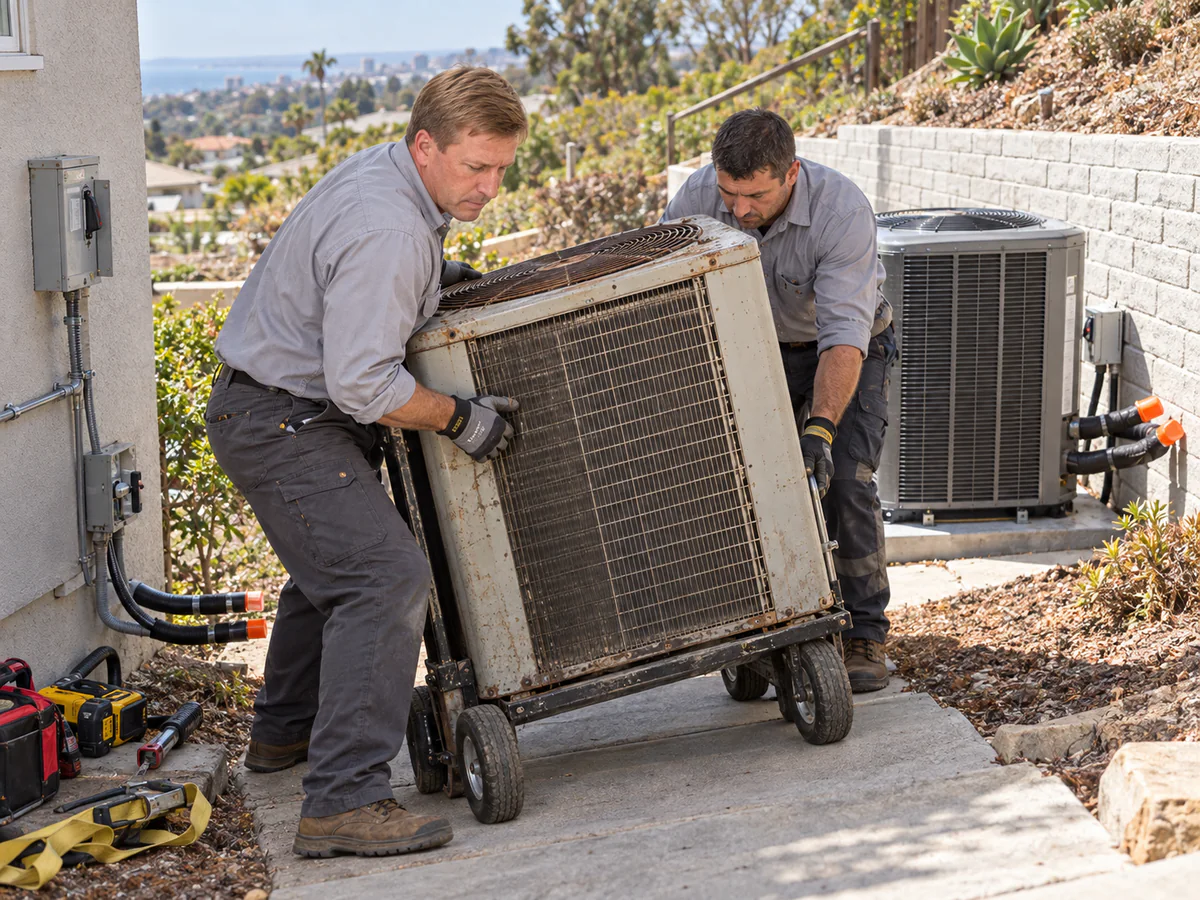
We test the system in both modes, check the charge, the defrost function, the ducts, and the electrical capacity, and we tell you the condition it is in before we talk about replacing it.
Where both paths are reasonable, you get both, priced, with the difference explained.
Equipment, removal of the old system, connections and modifications included, price, schedule, and anything priced as an option. Nothing starts until you approve it.
We take the old equipment out and haul it away, install the new system to the agreed scope, and make the refrigerant, electrical, and duct connections. Permits and testing are scheduled with the work.
We charge and start the system, test it in heating and in cooling, confirm the defrost function, clean up, go through the controls and the backup heat settings, and hand over the documents.
We quote after seeing the property, so the number on your proposal is the price of your project.
What affects the price
On your electricity bill, we will not promise a percentage. Efficiency ratings compare equipment, not houses. What the change does to your bill depends on your tariff, your usage, and your ducts. We will take your last twelve months of SDG&E statements and model it on the rates you actually pay.
Once we have seen the property, we put together a written proposal
Total price
Every line goes in writing, with options priced separately.
Request a Replacement Estimate
We test the existing system in both modes before quoting a new one.
A heat pump carries the cooling load and the heating load on the same equipment. We size for both. A system sized for August alone struggles in January.
We model it on your own twelve months of SDG&E statements instead.
Equipment, removal, connections, price, schedule, and anything optional priced on its own.
Heat pump replacement in California needs a permit, and most of this work also requires HERS verification. 600+ permitted projects under our license are on public record.

“My impression of George is that he's a very honest person who takes a lot of pride in providing a high quality service.”
Read on Yelp
“It was very clear that it was important to him that his service is high quality.”
Read on Google“We live in South Orange County and GVK Heating and Air were recommended to us — specifically Denys at GVK.”
Read on Yelp“They performed the first AC installation on my 30-year-old home.”
Read on Google“He wants to meet your needs at a good price and he is a pleasure to work with.”
Read on GoogleWe are based in Poway and work across all of San Diego County: repairs, replacements, maintenance, and tune-ups.
When the fault is one component, the system still performs in both modes, parts are available, and the refrigerant is current. We bring both prices to the same visit so you can compare them yourself.
Sometimes. The outdoor unit and the indoor coil have to be a compatible, matched pair, and modern refrigerants narrow what can be paired with what. We verify compatibility before quoting, and where the match does not work we explain why and price the full system.
We calculate the load for the house in both directions, because the same equipment carries your August cooling and your January heating. We do not copy the capacity off the old unit.
A straight changeout on sound ductwork is usually a one day job. Duct changes, electrical work, or a new indoor unit location extend it. Your proposal gives you the schedule before anything starts.
We remove it and haul it away, and that is in the written scope and in the price. Refrigerant is recovered rather than vented, which is both the law and the reason it is a line in the scope.
A permit applies to the changeout itself. HERS verification applies to the parts an inspector cannot see finished, such as refrigerant charge and duct leakage, and it is done by an independent rater, not by us. We tell you which of the two your project needs, who files them, and when they are scheduled against the install date.
This is the category where rebates are genuinely available, and what is live changes through the year. We tell you what applies in the month you buy.
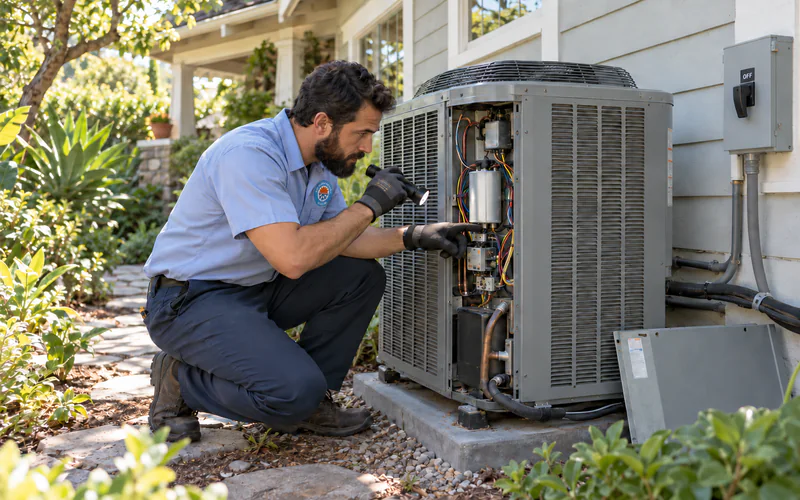
When the system has stopped or is underperforming and you need the cause first.
Explore Heat Pump Repair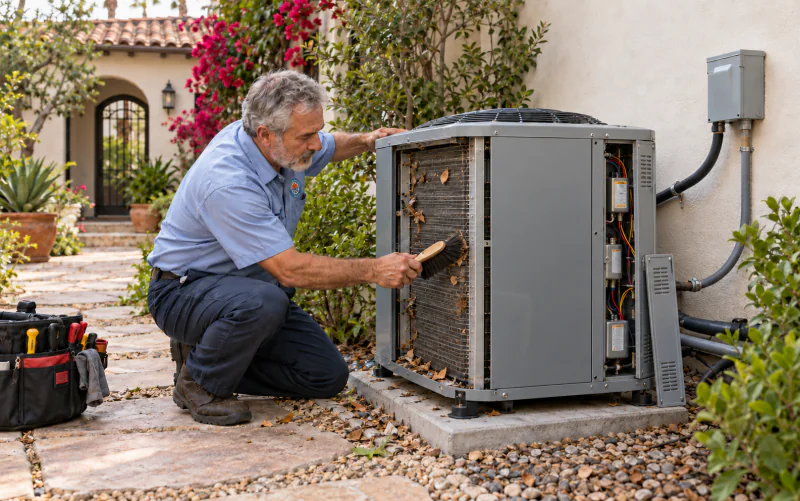
A system running in both seasons needs a different service schedule from one that runs in one.
Explore Heat Pump Maintenance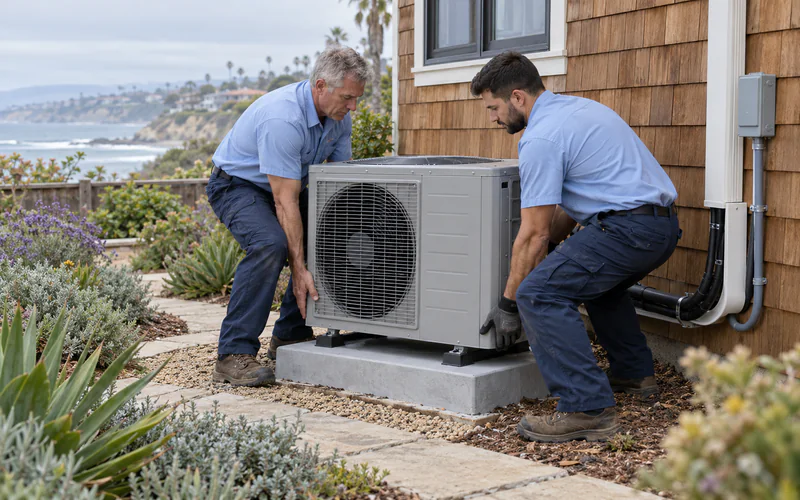
When a heat pump is going in where there was none, including a conversion from gas heat.
Explore Heat Pump Installation
When rooms have never performed evenly and the equipment is not the reason.
Explore Duct RepairTell us what the system is doing and how long you have had it. We will test it in both modes, tell you whether a repair still makes sense, and give you a written proposal with the equipment, the scope, and the price.