It cools but will not heat, or heats but will not cool
The most heat pump specific symptom there is, and it points somewhere a central air conditioner has no equivalent of. Have it checked promptly, because the cause often gets worse.
 GVK Heating & Air Inc
(619) 277-6279
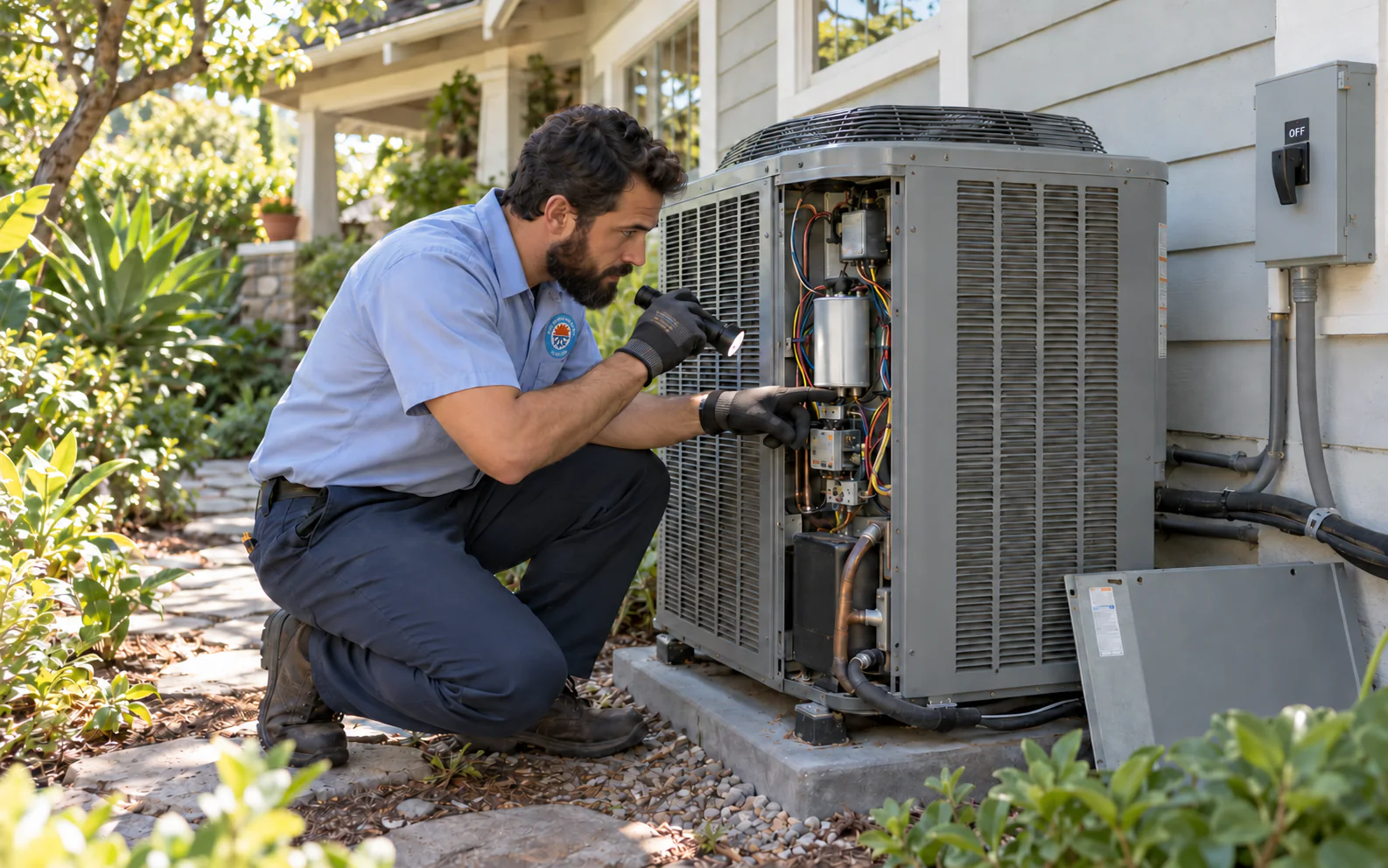
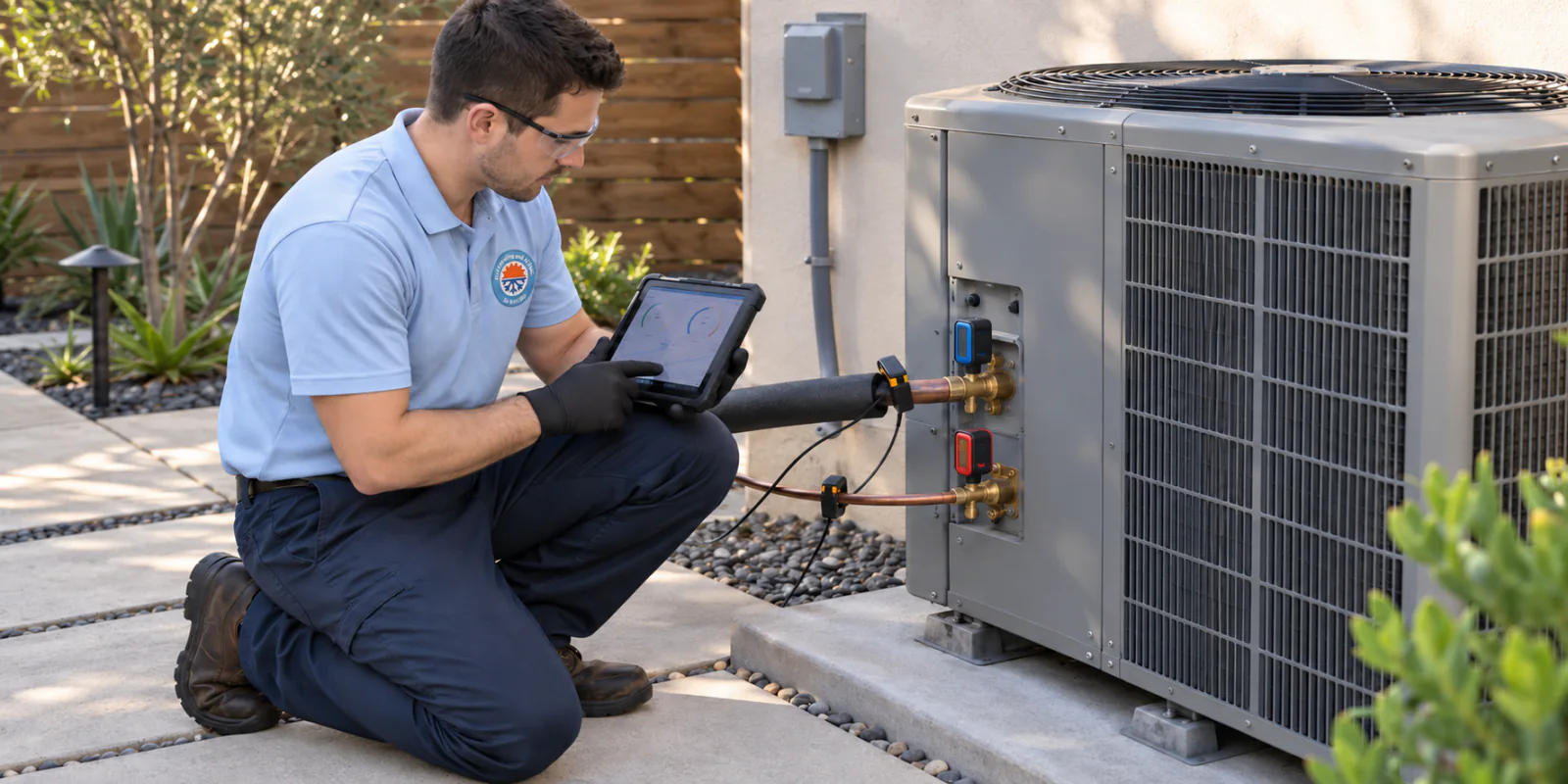
A heat pump does two jobs on one set of equipment, so the first question is which job it has stopped doing. We diagnose in both modes, show you what failed, and give you the price in writing before we touch anything.
Six things homeowners call us about. Each is a reason to have the system checked. None of them is a diagnosis.
The most heat pump specific symptom there is, and it points somewhere a central air conditioner has no equivalent of. Have it checked promptly, because the cause often gets worse.
Expensive to run, and a sign the system is not carrying the load it should. People usually notice this on the bill before they notice it in the house.
Some frost in cold weather is normal, and a working system melts it off on its own in a defrost cycle. Ice that stays put, or a unit encased in it, needs looking at.
In either mode. The charge, the airflow, and the outdoor unit have to be checked together, because guessing between them is how the wrong part gets replaced.
Both are worth catching before the compressor takes the damage.
Check the breaker once. If it trips again, stop resetting it, because a breaker that keeps tripping is protecting you from something.
Six groups of faults, what we check in each, and where a diagnosis can land.
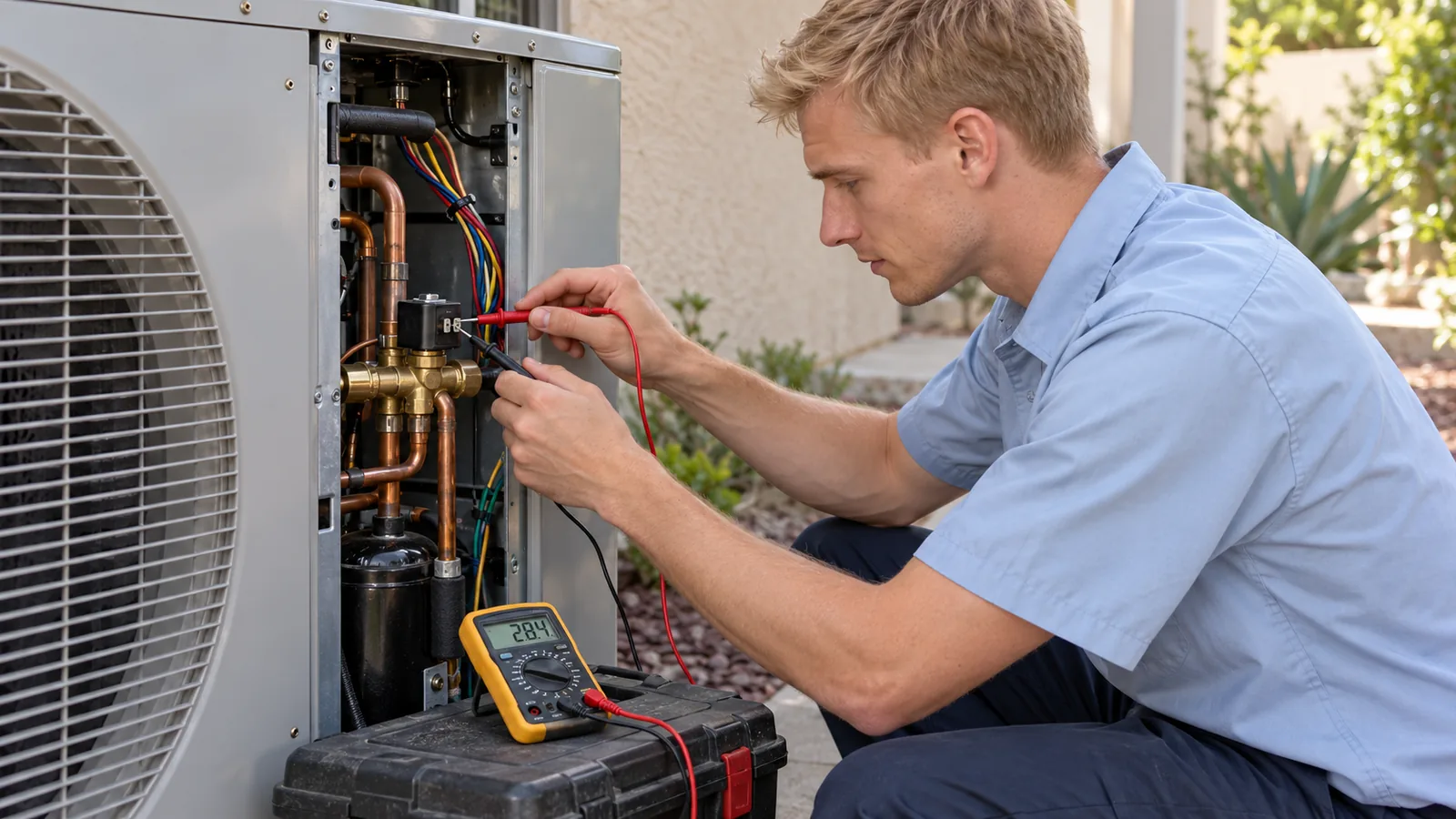
The component that switches the system between heating and cooling, and the one that causes the symptom above. We test the changeover in both directions, because a valve that moves one way can stick the other.
The defrost control, the sensors it depends on, and the outdoor coil. A defrost fault shows up as ice in winter or as a system defrosting when it has no reason to.
The elements, the sequencer, and the controls that decide when they come on. Backup heat running when it should not shows up on the bill, and it shows up fast.
Charge, leaks, and the compressor itself. We locate leaks before we add refrigerant, because a recharge without a repair means the same call again once it leaks back out.
Capacitors, contactors, connections, and the disconnect. The most common failures we see, and usually the quickest to resolve. Close to the coast, corrosion gets to these first.
The blower, the filter, the ducts, and the thermostat, including whether it is configured correctly for a heat pump. A thermostat configured as though it were controlling a furnace is a real fault, and an easy one to walk past.
We are a C-20 contractor, so HVAC is the only thing we do. One thing you do not need here: no combustion means no flue, no gas valve, and no carbon monoxide test.
We are on your side on this one. Most heat pump faults we go out to are worth repairing, and when that is the case we repair it and say so.
There is a consideration specific to these systems. A heat pump runs in both seasons, so it accumulates roughly twice the operating hours of a cooling only system of the same age. A ten year old heat pump has done what a twenty year old air conditioner has done, which means the replacement conversation arrives earlier here than people expect.
Replacement becomes the better answer when the compressor or the reversing valve has failed on an older system, when the refrigerant is being phased down, or when repairs have started coming one after another. We bring the repair price and the replacement price to the same visit. If replacement is the direction, that continues on our Heat Pump Replacement page.
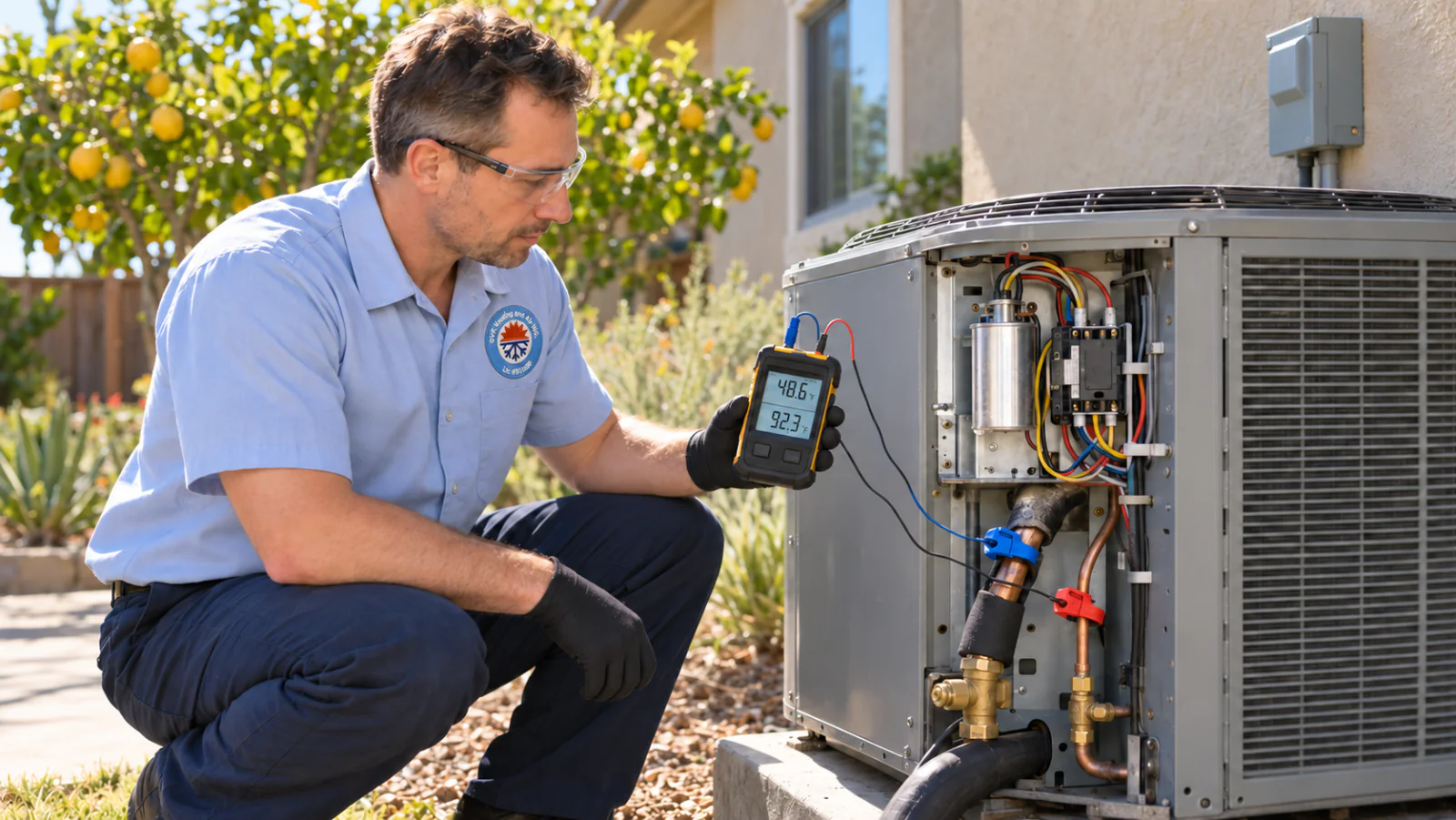
Which mode has stopped working, or both. Two minutes on the phone so we arrive with the right parts.
Always in that order, and always both. A fault that only shows in heating is invisible if we test cooling and leave.
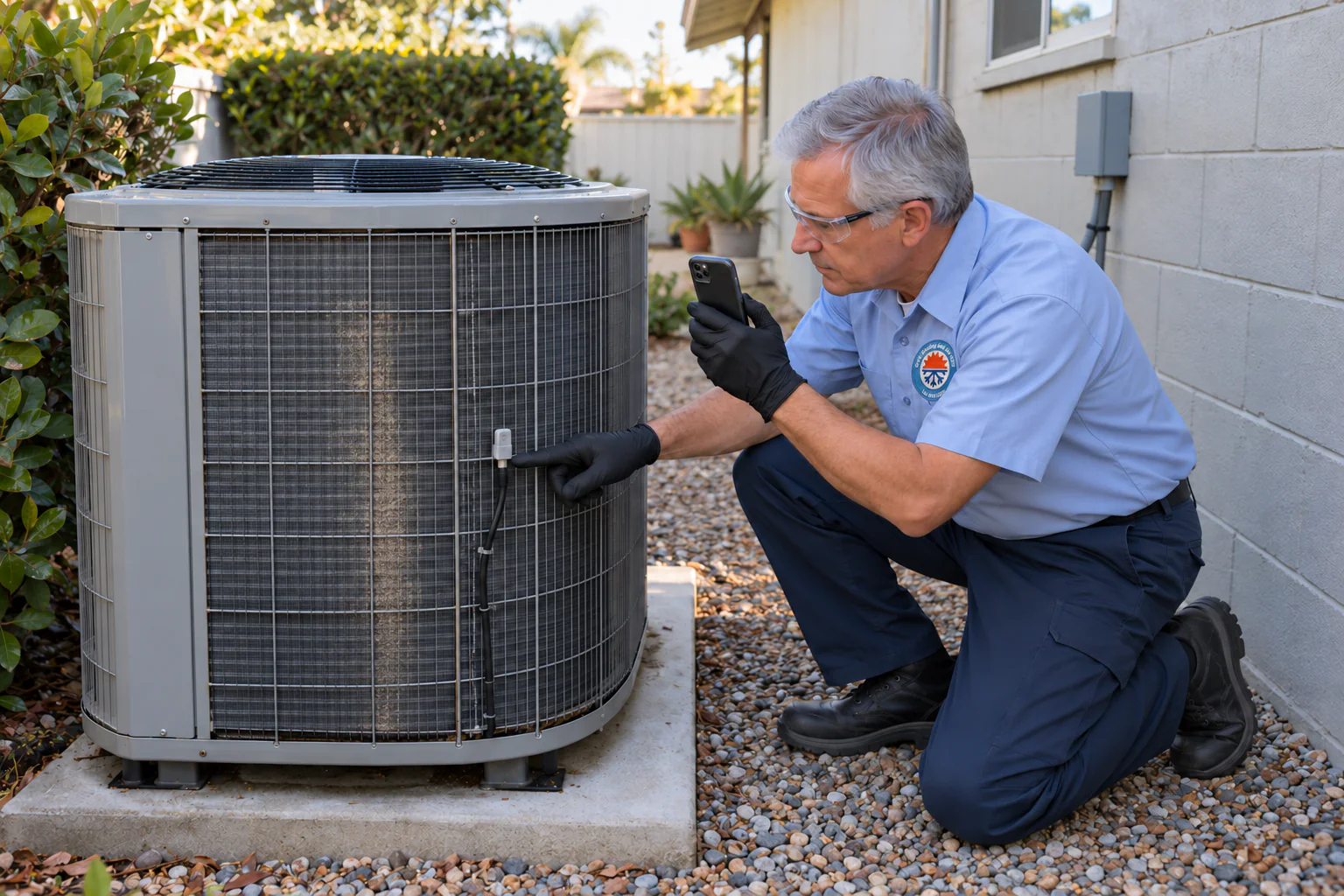
We photograph the failed component and show it to you, then we talk about price.
Before any work starts. If the repair turns up a second problem, that comes back to you first.
We run the system in cooling, switch it to heating, confirm the changeover and the defrost function, and tell you what to watch for.
We price the repair once we know what failed, so the number is the number for your fault.
What affects the price
You get the repair price at the end of the diagnostic visit, in writing
Repair price
The scope and the number are in writing before anything starts.
Schedule a Diagnostic Visit
A heat pump has components that only work in one direction. Testing one mode and leaving is how faults get missed and visits get repeated.
We find the cause first. Nothing gets quoted against a symptom.
We photograph the failed component and show it to you, along with what happens to the rest of the system if it stays that way.
The scope and the number are in writing before anything starts.
License #911659, bonded and insured. A 4.9 rating across 300+ reviews on Yelp and Google, and 600+ permitted projects on public record.

“My impression of George is that he's a very honest person who takes a lot of pride in providing a high quality service.”
Read on Yelp
“It was very clear that it was important to him that his service is high quality.”
Read on Google“We live in South Orange County and GVK Heating and Air were recommended to us — specifically Denys at GVK.”
Read on Yelp“They performed the first AC installation on my 30-year-old home.”
Read on Google“He wants to meet your needs at a good price and he is a pleasure to work with.”
Read on GoogleWe are based in Poway and work across all of San Diego County: repairs, replacements, maintenance, and tune-ups.
That symptom points at the components that only exist on a heat pump: the reversing valve, the defrost system, or the controls that switch the system between modes. It can also be the charge. We test both modes to establish which, because the fault is invisible if you only test the one that still works.
Some frost is. A heat pump runs a defrost cycle to clear it, and during that cycle you may see steam and hear the system change note. What is not normal is ice that stays put, or a unit encased in it, and that is worth a call.
Ask us what the visit costs when you call and we will tell you before we come out. The repair price comes at the end of that visit, in writing, once we know what failed.
The common cause is backup electric heat carrying more of the load than it should, which usually means something else is wrong. It is worth diagnosing, because backup heat is the expensive way to heat a house.
No. A heat pump does not burn anything, so there is no flue, no gas valve, and nothing to test for. If your house also has a gas furnace as backup heat, that part does need it.
If there is a burning smell or the breaker keeps tripping, shut it off and leave it off. Otherwise leave it as it is, because a fault we can watch happening is easier to find than one we have to reproduce.
When the compressor or the reversing valve has failed on an older system, when parts are discontinued, or when repairs come one after another. Remember that a heat pump has about twice the running hours of an air conditioner of the same age. We bring both prices to the same visit.

When the arithmetic stops working and a new system is the better answer.
Explore Heat Pump Replacement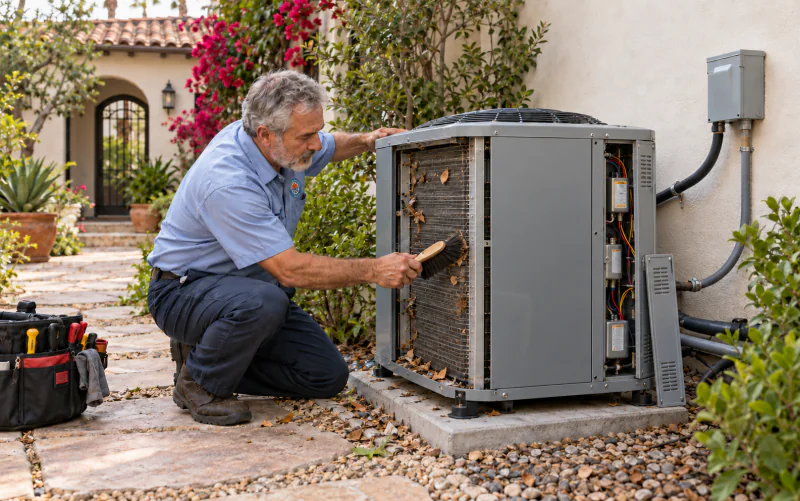
A system running in both seasons needs a different service schedule from one that runs in one.
Explore Heat Pump Maintenance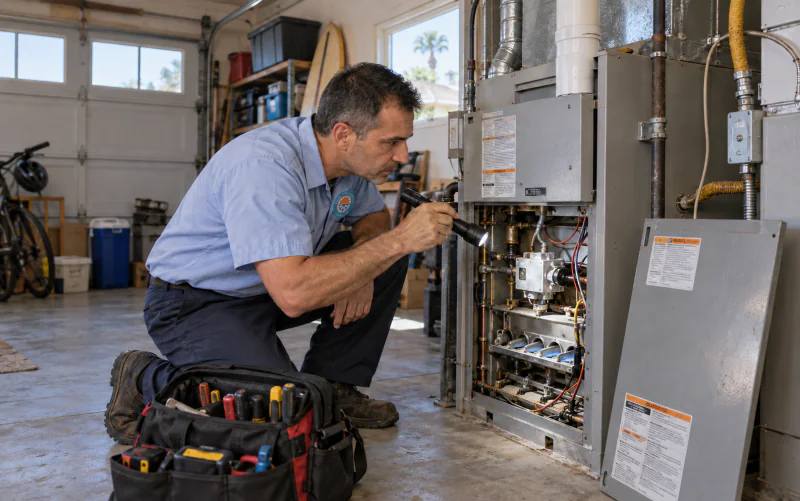
If your heat comes from a gas furnace.
Explore Furnace and Heating Repair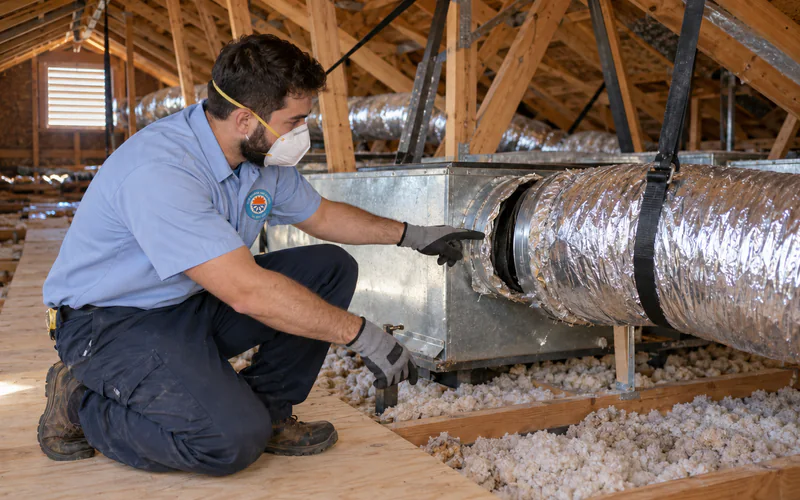
When rooms perform unevenly and the equipment is not the reason.
Explore Duct RepairTell us which mode has stopped working. A diagnosis tells you what failed, what it costs to fix, and whether fixing it is worth it. In writing, with a photo of the part, and with both modes tested.